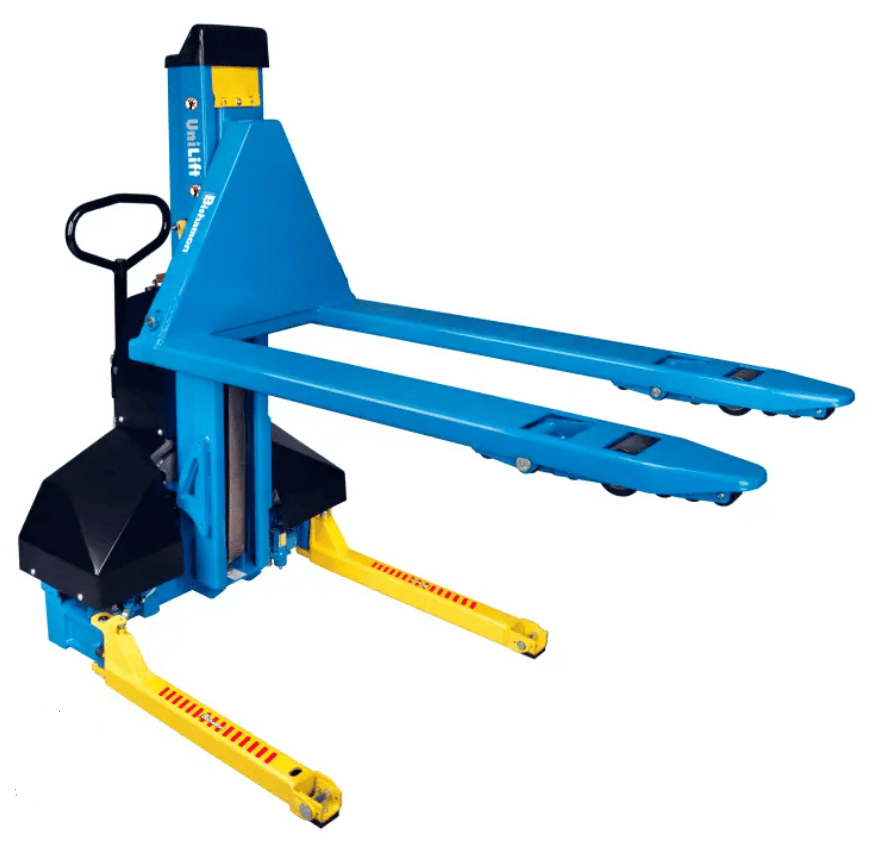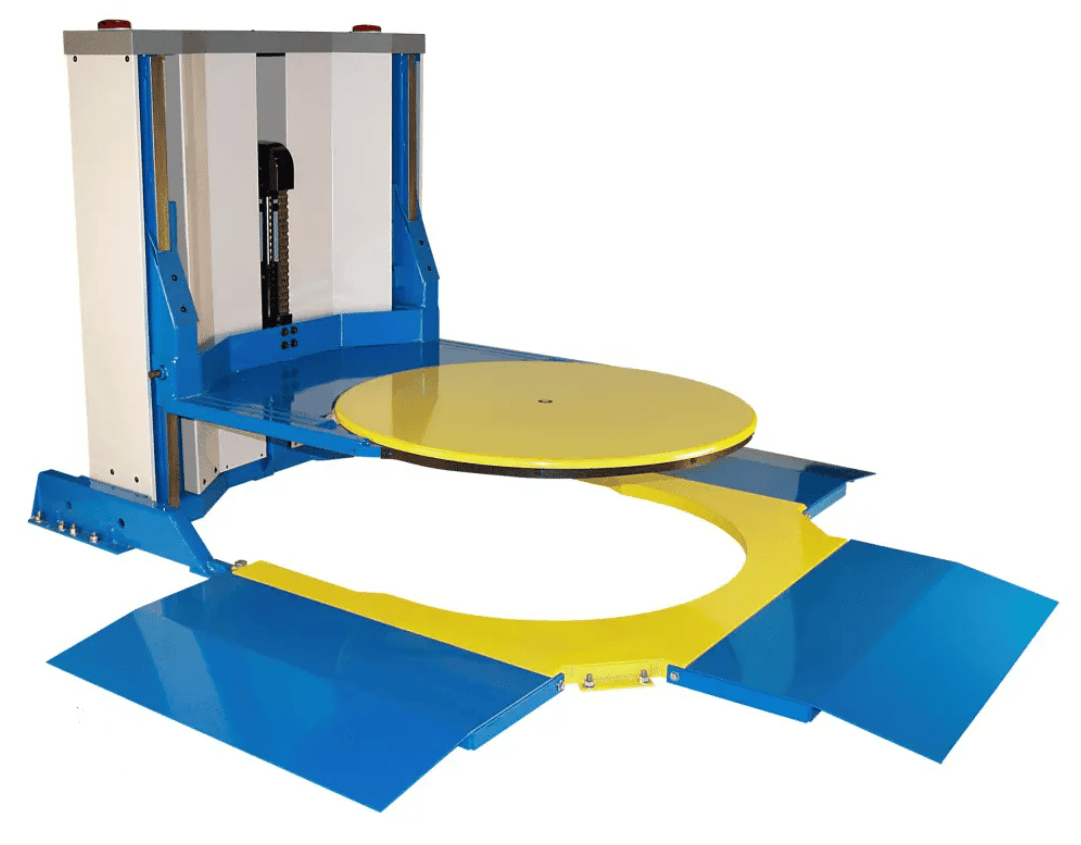
Bishamon Industrial Lift Tables & Scissor Pallet Lifts
ELECTRIC AND HYDRAULIC SCISSOR LIFT TABLES
Bishamon lift tables are engineered to support safer, more efficient material handling in warehouses, manufacturing plants, assembly lines, packaging areas, distribution centers, and industrial workstations. Designed to position materials at a comfortable working height, our ergonomic lift tables help reduce repetitive bending, reaching, lifting, and operator fatigue while improving productivity across your facility.
Available in hydraulic, electric, pneumatic, compact, low-profile, stationary, and mobile configurations, Bishamon lift tables provide flexible solutions for a wide range of lifting and load positioning needs. Whether your team is handling pallets, staging materials, feeding machines, supporting assembly work, or positioning heavy industrial loads, our scissor lift tables deliver smooth lifting control, reliable performance, and long-term durability.
Read More...
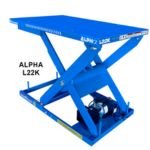
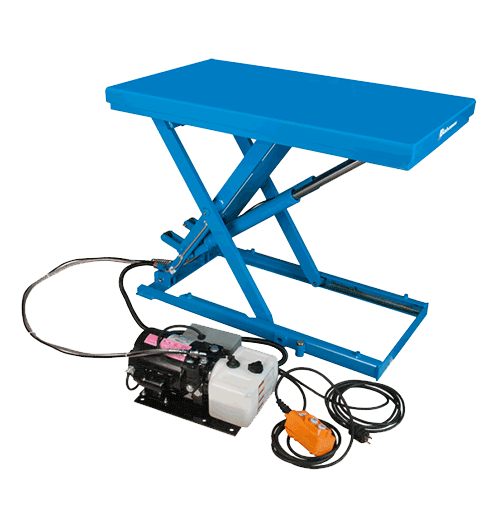
For heavy-duty electric hydraulic lifting, the ALPHA™ Series provides durable stationary lift table performance with capacities from 2,200 to 6,600 lbs. For applications requiring low collapsed heights and easier floor-level loading, LoProfile™ LX Series lift tables offer electric-hydraulic performance with collapsed heights as low as 2.9 inches.
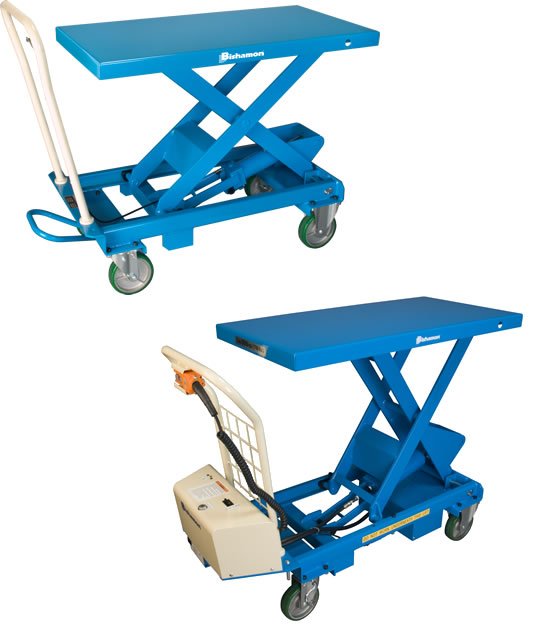
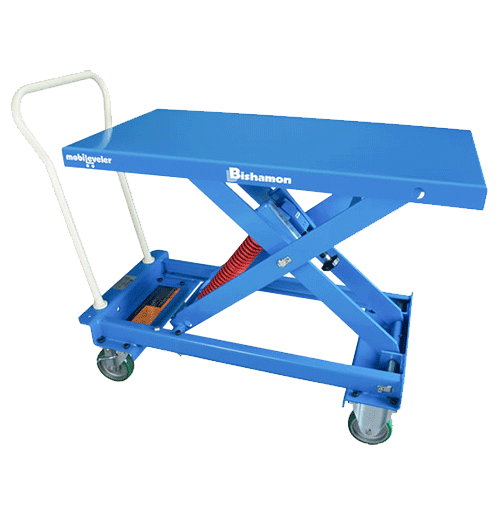
Facilities that need compact lift table options can explore the CompacLift™ Series, built for smaller workstations, light- to medium-duty lifting, and space-constrained production areas. For mobile lifting needs, the MobiLift BX™ and BXB™ Series provide manual foot-pump and battery-powered mobile scissor lift table options for flexible material handling throughout the facility.
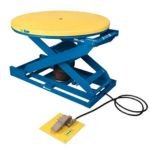
Bishamon also offers EZ UP® pneumatic lift tables for air-powered applications where clean, efficient lifting is preferred. Together, these lift table solutions help businesses improve workplace safety, reduce manual handling, increase load access, and support smoother day-to-day operations across demanding industrial environments.
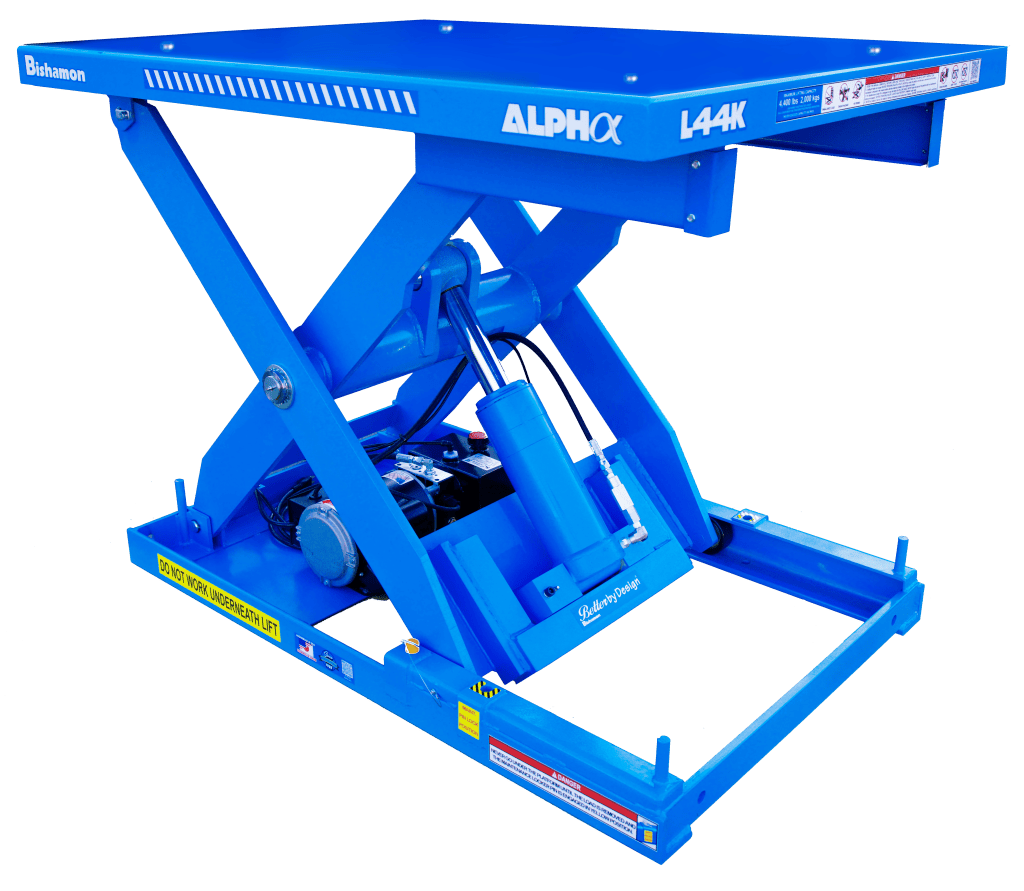
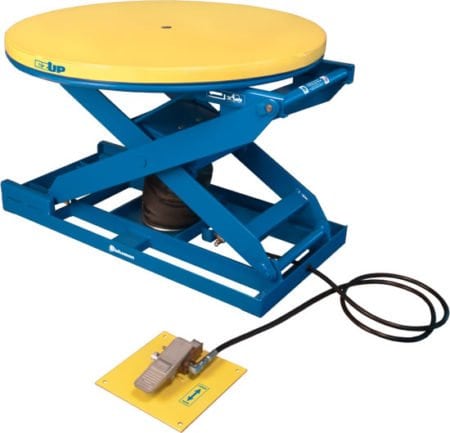
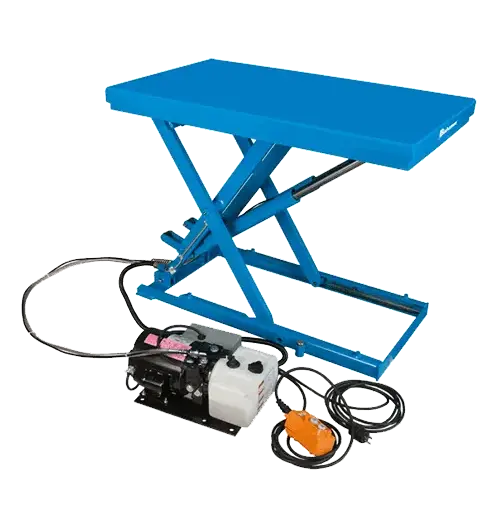
Electric-Hydraulic Scissor Lift Tables With A Collapsed Height As Low As 2.9 in.
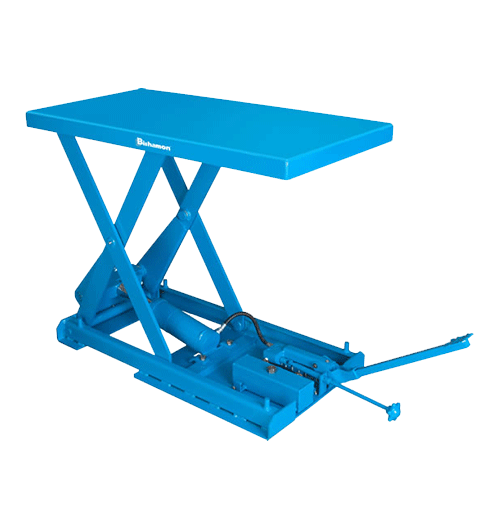
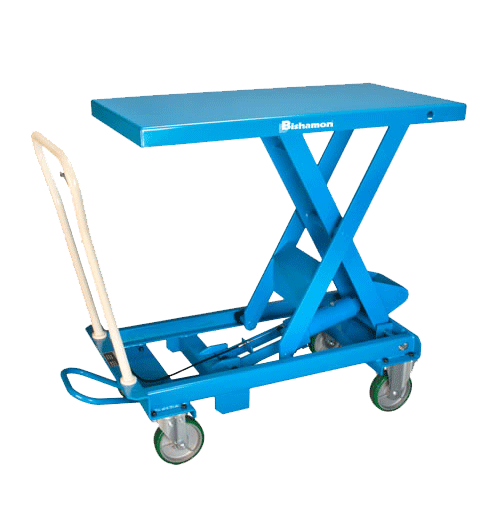

Bishamon Lifts Tables FAQs
Lift tables allow workers to position work at the most comfortable, convenient height for easy, strain-free access. They provide a smart, ergonomic solution for boosting productivity and improving workplace safety because of their wide range of capacities, platform sizes and options for lifting heights.
A lift table uses a mechanism called scissor legs or a hydraulic system. The table is supported by a set of interconnected scissor legs that are able to extend or retract. Activation of the hydraulic pump pressurizes the hydraulic fluid, which is then directed into the lift cylinder. As fluid enters the cylinder, it causes the scissor legs to extend, which raises the platform to the desired height. The lifting capacity of a lift table is determined by its design and hydraulic system, which allows it to handle a range of weights.
Each type of lift table is designed for a specific purpose.
Hydraulic lift tables: These lift tables use hydraulic cylinders and a fluid-filled system to raise and lower the platform. They provide a smooth and controlled lifting motion and can handle heavy loads.
Electric lift tables: Electric lift tables use an electric motor to power the lifting mechanism. Some electric lift tables are quiet and energy=efficient and suitable for lighter loads.
Scissor lift tables: Scissor lift tables use a scissor-like mechanism to raise or lower the platform vertically. The scissor lift mechanism includes a series of connected folding supports, resembling a scissors, that extend and retract, through hydraulics or an electric motor. This versatile lift offers stability and support for heavy loads as well as ergonomic positioning to different heights and safety features. When not being used, scissor lift tables can collapse to a more compact size, which saves floor space in the workplace.
Pallet lift tables: Lift tables for pallets are a specific type of lift table designed to handle loads on pallets. Pallet lift tables are often used in warehouses, distribution centers, and industrial settings for storage or transportation. They have a sturdy platform and their dimensions match standard pallet sizes. The platform has rollers that help secure the pallet during lifting and lowering. These lift tables allow for easy access and eliminate the need for manual labor or forklifts. Some include safety features like safety skirts, adjustable heights, tilt functions or rotation.
Pallet lift tables can be used in a wide range of industries that require lifting, positioning or transporting heavy loads.
- Manufacturing: Lift tables are used for loading and unloading heavy materials, positioning workpieces, for assembly or processing and for facilitating ergonomic work heights.
- Warehousing and logistics: Lift tables are used for lifting pallets, containers, or lifting heavy items to different heights for storage or transportation.
- Automotive: Lift tables allow mechanics to elevate cars and trucks so they can be repaired or serviced underneath.
- Construction: Lift tables can elevate heavy building materials, equipment or tools on construction sites and make them easier to transport.
- Retail and E-commerce: Lift tables are used in distribution centers and warehouses to handle inventory management and order fulfillment, to assist with sorting, packing and moving merchandise.
- Agriculture: Lift tables can load or unload things like heavy produce, bales of hay or livestock.
- Medical and Healthcare: In medical facilities, lift tables are helpful for transferring patients from beds to stretchers, or enabling safe and efficient handling of medical equipment.
Lift tables increase workplace safety. They reduce the need for heavy lifting and are able to lift heavier loads than humans. They can lift faster than a human team which results in an overall faster process. Additionally, they offer an ergonomic solution for working at different heights while reducing the risk of strains and injuries that may result from manual lifting. They increase productivity and reduce injuries.
They are designed with safety features to prevent accidents and ensure protection. The safety features may include safety rails, anti-slip platforms, emergency stop buttons, overload protection and safety locks to secure the table at the desired height.
Here are some important factors to consider when choosing a lift table:
Load capacity: Determine the maximum weight you need to lift. Select one that can handle your intended load capacity comfortably without exceeding its limits.
Height range: Think about the height ranges you need to work with. Choose a lift table that accommodates your requirements.
Platform size and shape: Evaluate the dimensions and shape of the platform you need. Make sure it provides enough space for your intended load or operation. Some tables offer customization options to suit specific needs.
Power source: Electric lift tables offer easier and more control than manual types which require human effort to operate the hydraulic system.
Safety features: Look for safety features like safety rails, anti-slip platforms, emergency stop-buttons, safety locks, and overload protection to enhance safety and minimize the risk of accidents.
Mobility: If you need mobility, tables with wheels or castors offer easy maneuverability.
Durability and quality: Choose a lift table made from reliable and sturdy materials so it will withstand the demands of your specific application.
Budget: Consider your budget and make an informed decision when you are purchasing a lift table. There are many different features, prices, and varying degrees of quality.
Some lift table manufacturers offer choices in platform sizes and shapes to suit your needs. Some offer add-on accessories or solutions for integration with other equipment.
To ensure safe and reliable operation of lift tables, regular maintenance is required. Regular inspections will show any signs of damage, wear or malfunction. The hydraulic system, electrical components and scissor legs should be checked for leaks, cracks or loose connections. Lubrication should be applied to moving parts like hinges, joints and pivot points to minimize friction and ensure smooth operation. Regular cleaning prevents damage to the equipment and the hydraulic system. Annual in-depth inspections by a qualified technician are recommended. By law, the lift table should comply with local regulations.
In certain conditions, lift tables can be used outdoors. Many are designed for both indoor and outdoor use. Some have weather-resistant coatings, all-terrain capabilities and are made of durable construction materials. Check the specifications of your lift table to ensure its suitability for outdoor use.
Familiarize yourself with the controls. Most lift tables have buttons or switches to control the movements. Before operating the lift table, make sure the area surrounding the table is clear of obstacles and hazards. connect the lift table to the power source and turn it on. Position the load on the lift table platform. Ensure the load is properly secured and balanced and be aware of the weight capacity of the table. Stabilize the table and engage any locks or safety mechanisms to secure the lift table platform into place. Perform the necessary task at the desired height. After the task is completed, lower the platform and power off. Ensure all controls are in their default position and switch off the power. Always prioritize safety when using any industrial equipment.
Proper training is required to use a lift table and ensure the safety of the operators and the table. Training typically includes learning how to operate the table correctly, understanding the controls, safety features and emergency stop procedures. Load handling and weight limitations need to be understood. Overloading the table can lead to accidents. Operators need to know what to do in emergency situations.
Lift tables are used for industrial or commercial purposes to lift heavy loads, Proper training to use a lift table is recommended for safety reasons. Other equipment may be better suited for personal lifting needs. Safety should be paramount when using lift tables.
Well-maintained lift tables can last from 10 to 20 years or longer as long as they have regular inspections, proper lubrication, and routine maintenance.
Bishamon makes ergonomic lift tables that are highly engineered for superior quality, worker safety and increased productivity. We are committed to develop a strong partnership with our valued customers. We believe the success of our customers is our success. Our goal is to offer you unparalleled performance and to exceed your expectations.
Compact Lift Table FAQs
A compact lift table is a mechanical device used for lifting and lowering heavy loads in a compact and space-saving manner. It consists of a platform or table that can be raised or lowered vertically using hydraulic, electric, or pneumatic mechanisms.
The primary purpose of a compact lift table is to provide ergonomic and efficient solutions for material handling, especially in areas where space is limited. They are commonly used in warehouses, manufacturing facilities, loading docks, and other industrial settings where there is a need to raise goods or equipment to different heights.
Compact lift tables are designed to be compact in size, allowing them to fit into tight spaces or areas with limited clearance. They often have a low-profile design and can be mounted to the floor or integrated into existing structures. This makes them suitable for applications where larger, bulkier lifting equipment may not be practical. Overall, compact lift tables are valuable tools for improving efficiency, safety, and productivity in material handling tasks, especially in constrained work environments.
Weight capacities range from 440 lbs to 1,100 lbs.
There is not just one standard size of compact lift table. We have a wide range of sizes to fix your application.
There are three options available in the compact lift tables. We offer manual foot pump, pneumatic, or hydraulic over electric.
Our compact lift tables do not come with a portability option. However, some units are relative light and can be moved my hand.
No, they come in standard model sizes and lifting capacities.
Each unit will come with a mantonuse manual. The manual will advise on what needs to be done to take care of your unit.
No, they are not suitable for outdoor use.
You need to know the goal of your application. Ask yourself these three questions. What is the size of the load? How heavy is the load? Lastly, how high are you trying to lift the load? If you still need help, please contact a Bishamon rep.
We offer a manual foot pump for the manual models. A hand controller or foot controller is available for the hydraulic over electric models.
Only if the unit is in stainless steel.
Lift Table Carts FAQs
A lift table cart, also known as a hydraulic lift cart or scissor lift cart, is a type of material handling equipment designed to lift and transport heavy loads. It has a platform that can be raised or lowered using a hydraulic mechanism or an electrical motor. The platform is mounted on scissor-like legs that extend and retract, allowing the cart to lift and lower loads smoothly and efficiently. Lift table carts come in various sizes, weight capacities, and configurations to accommodate different load requirements.
Lift table carts are used in various industrial and commercial settings to move heavy items, such as boxes, equipment, machinery, and consumer goods, from one location to another. They are especially useful in warehouses, manufacturing facilities, distribution centers, and workshops, where the need to move heavy loads efficiently and safely is essential.
The benefits of using lift table carts are:
Ergonomic Handling: Lift table carts allow for easy height adjustment and protect workers’ backs. They prevent injuries and improve overall work efficiency.
Increased Efficiency: With lift capabilities, these carts streamline loading and unloading processes, reducing the time and effort required for manual lifting and carrying.
Versatility: Various tasks can be accomplished with lift table carts, including transporting heavy items, assembling products, or positioning materials at the right working height
Safety: Lift table carts are equipped with safety features like locking mechanisms, safety rails, and anti-slip platforms, ensuring secure handling and preventing accidents.
Space Optimization: Some carts are designed to fold or stack, saving storage space when not being used.
Customization: They come in various sizes, weight capacities, and configurations.
Cost Savings: By reducing workplace injuries and increasing productivity, lift table carts contribute to long-term cost savings and improved profitability.
Employee Morale: Providing equipment that makes tasks easier and safer can boost employee morale.
Lift table carts are available in various weight capacities to suit different load requirements: light-duty carts (200 to 1,000 pounds), medium-duty carts (1,000 to 5,000 pounds), heavy-duty carts (5,000 to 10,000+ pounds), and specialized extra-heavy-duty carts. Overloading a lift table cart can cause safety hazards and damage to the equipment, so follow specific weight limits for safe and efficient operation.
Dimensions of a typical lift table cart can vary widely depending on the specific model and manufacturer. Common dimensions for a standard lift table cart might include a platform size ranging from 24 inches by 36 inches to 48 inches by 72 inches. The height range of the lift table can vary as well, with typical minimum heights starting around 7 to 12 inches and maximum heights reaching 30 to 48 inches. Consider the specific requirements of the intended tasks when choosing the appropriate dimensions for a lift table cart.
There are different types of lift table carts available that are used for specific purposes. The choice of lift table cart depends on the specific application, weight capacity requirements, height adjustments needed, and the environment in which it will be used. Some types of lift table carts are:
Hydraulic lift cart: These versatile carts use hydraulic cylinders to raise and lower the platform, providing smooth and controlled lifting. They are commonly used in warehouses, manufacturing.
Electric lift table cart: These are powered by electric motors, making them easy to operate with the push of a button. They are used in applications where frequent height adjustments are required.
Electric Scissor lift cart: An electric scissor lift cart is a motorized platform that uses scissor-like mechanisms to raise and lower items to desired heights.
Pneumatic lift table cart: Pneumatic carts use air pressure to lift the platform, and are suitable for environments where electricity or hydraulic power is not available.
Scissor lift cart: These carts feature a scissor-like mechanism that extends and collapses to raise and lower the platform. They are widely used for a variety of lifting tasks.
Mobile lift cart: Mobile lift carts are equipped with wheels or casters, these carts offer mobility and are ideal for moving items within a workspace or between different locations.
Tilting lift cart: Tilting carts have a tilting platform that allows for access to materials and easy loading or unloading of materials.
Low-Profile lift cart: Designed with a lower minimum height, these carts are good for tasks where access to ground level is required, such as pallet loading and unloading.
Double Scissor lift cart: Featuring two sets of scissor arms, these carts offer increased vertical movement, making them work for tasks needing higher lifting heights.
Heavy-Duty lift cart: Built with robust materials and construction, these carts can handle heavier loads and are commonly used in industrial settings.
Portable lift cart: A portable lift cart is a movable, versatile platform used for lifting and transporting items to different locations.
Rolling lift cart: A Rolling lift cart is a mobile platform equipped with wheels that allow for easy movement and positioning of heavy loads.
Small lift cart: These are compact, portable lifting devices capable of holding up to 500 to 1,000 pounds.
Lift table carts can be operated using hydraulic systems, electric motors, or pneumatic systems, depending on the application and lifting capacity needed.
Lift table carts are typically designed to be portable and easy to move around. They are equipped with wheels or casters, allowing users to maneuver them to different locations as needed.
When choosing a lift table cart, prioritize safety features such as locks, sensors, overload protection, non-slip surfaces, reinforced construction, smooth lifting mechanisms, user-friendly controls, protective guarding, and sturdy brakes, to ensure compliance with safety standards.
At Bishamon, we offer options for customizing or modifying lift table carts to suit your specific needs. Customization options include adjusting platform size, weight capacities, power sources, accessories, and choice of specific finishes. At Bishamon, we are ready to collaborate with you to create the customized solution you are looking for.
Maintenance required typically includes regular inspections, checking for wear and tear, lubricating moving parts, and ensuring proper functioning of hydraulic or electrical systems.
Some lift table carts are designed for outdoor use with weather-resistant materials and coatings.
To ensure efficiency, safety, and productivity, consider these factors when choosing a lift table cart:
Application: Select a lift table cart designed to suit your specific application.
Mobility: Take into account the lift table cart’s mobility features, like wheels or casters, to ensure they meet your moving requirements.
Platform Size: Select a platform size that fits your load dimensions and workspace needs.
Power Source: Select the appropriate power source for your working environment, whether electric, battery-powered, or pneumatic.
Safety Features: Ensure safe operations by checking for essential safety features like safety locks and rails.
Weight Capacity: Make sure the lift table cart can handle the maximum weight of your loads.
Lift table carts offer various control options, including hand pendant controls, foot pedals, push-button controls, and programmable logic controllers (PLCs), allowing users to choose the most convenient and efficient method for operation.
They often integrate with other machinery, equipment, workflows, and processes. This compatibility enhances their versatility and usability in different industrial settings.
Environmental conditions such as temperature, humidity, and potential hazards should be considered when using lift table carts.
With suitable adjustments and strict adherence to cleanliness standards, lift table carts can be used in cleanroom or sterile environments.
ANSI and OSHA legal regulations and standards govern the use of lift table carts to ensure safety and compliance in the workplace.
The typical lifespan of a lift table cart ranges from 10 to 15 years, depending on usage, and maintenance.
Pallet Lift Tables FAQs
Pallet lift tables are a specific type of lift table designed for transporting, lowering, and lifting pallets.
They have a sturdy platform and their dimensions match standard pallet sizes. The pallet lift table rollers secure the pallet during lifting and lowering. Pallet lift tables allow for easy access and eliminate the need for manual labor or forklifts. They position pallets at the most comfortable and convenient height for workers using a hydraulic or electric lifting mechanism that slides underneath the pallet. Some include safety features like safety skirts, adjustable heights, tilt functions or rotation.
Pallet lift tables consist of a platform mounted on a set of scissor-like legs. The legs are hinged at the bottom and connected to a hydraulic cylinder or motor. As hydraulic fluid experiences pressure, the resulting force is transferred to the hydraulic cylinders, causing the scissor legs to extend or retract, which makes the platform rise. This provides an efficient way to raise or lower products and allows for easier loading, unloading and positioning at different heights.
The weight capacity and lifting height options for pallet lift tables can vary and depend on the specific model and manufacture of each table. Weight capacities can range from a few hundred pounds to several thousand. The maximum weight of loads you intend to lift should be considered when choosing a lift table. Some pallet lift tables offer adjustable lifting heights and others are fixed. Pallet lift tables sometimes include other options such as portability, turntables and hand pallet truck accessibility.
At Bishamon, we offer a variety of types of lift tables in these categories:
- Electric-Hydraulic Pallet lift tables
- Electric-Hydraulic Pallet Scissor lift tables
- Pneumatic Pallet lift tables
We also offer pallet positioners such as these:
- EZ-Off Low-Profile Pallet Positioners with Pallet Truck Accessibility
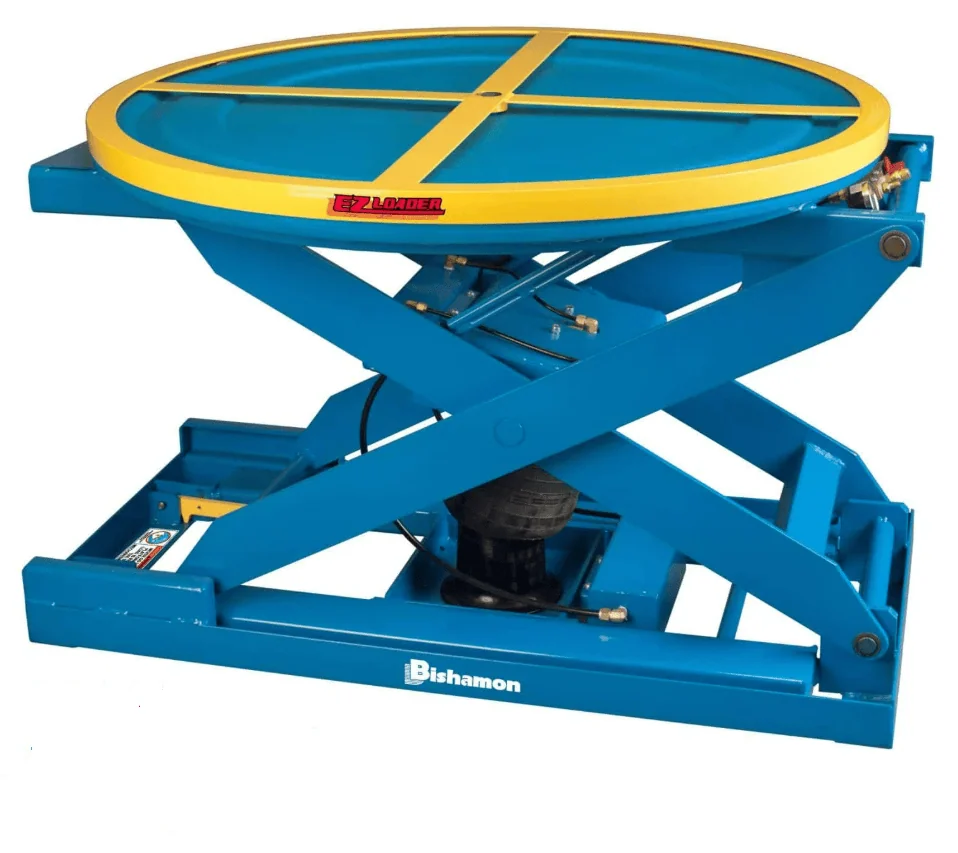
- EZ-Loader Self-Leveling Pallet Positioner-Pallet Leveller
- EZ X Loader-Economy Automatic Pallet Positioner
Industries that use pallet lift tables are those where material handling and logistics operations are involved such as:
- Warehousing and distribution: Pallet lift tables help with efficiently loading and unloading pallet goods while optimizing space and enhancing productivity.
- Manufacturing: Industries involved in manufacturing use lift tables to handle finished goods, raw materials and components. Pallet lift tables allow for easy movement and positioning of pallets on assembly lines
- Retail and e-commerce: Managing inventory, dealing with heavy items and facilitating safe loading and unloading are ways that retailers and e-commerce companies use pallet lift tables.
- Transportation and logistics: Loading and unloading from trucks, cargo containers and storage facilities can improve operational efficiency in this industry,minimizing the risk of injuries.
- Food and beverage: Pallet lift tables can help to ensure the proper handling of perishable foods and maintain sanitary conditions in various stages of production, packaging and distribution processes in the food and beverage industry.
- Construction and building materials: Pallet lift tables help with the movement of heavy construction materials on construction sites while improving productivity and safety.
- Efficiency: Pallet lift tables streamline the loading and unloading process while saving time and reducing labor costs.
- Ergonomic: Designed to minimize worker strain and fatigue, pallet lift tables can be positioned at a comfortable height, reducing the need for bending or lifting heavy loads.
- Flexibility: Their adaptability allows workers to raise or lower loads and to adjust to the needed working height.
- Load Control: Pallet lift tables provide precise control in the positioning and movement of pallets.
- Safety: Pallet lift tables include safety features like side rails, non-slip surfaces and safety locks to ensure the stability of the load and to prevent injuries when using the equipment.
- Space-Saving: Because they have a compact design, pallet lift tables occupy minimal floor space when not being used.
Versatile Applications: Pallet lift tables are compatible with different sizes and varieties of goods.
A pallet lift table can accommodate different pallet sizes. The platform can be adjusted to a variety of pallet sizes to allow for lifting and transporting different kinds of loads.
When used properly and maintained according to manufacturer guidelines, pallet lift tables are safe to use and are a valuable resource for many industries. Proper training is important for workers who use them as is securing the load and making sure the weight is evenly distributed.
- Safety Sensors
- Emergency Stop Button
- Guardrails and Safety Gates
- Non-slip Surfaces
- Locks
- Overload Protection
- Clear labeling and Instructions
Some important factors to consider when choosing a pallet lift table are:
Load capacity: Determine the maximum weight you need to lift and choose a pallet lift table that will handle your intended load capacity comfortably without exceeding its limits
Height: Assess your height requirements. Choose a lift table that accommodates your requirements. This will include the height of the load when fully raised and the lowest height needed, when loading or unloading.
Platform size and shape: Evaluate the dimensions and shape of the platform you need. Ensure the platform is wide enough and long enough to secure the items you plan to transport or lift. Decide if your platform requires a specific shape to meet the requirements of your items. Some pallet lift tables offer customization options which may help productivity.
Power source: When considering a pallet lift table, select one that corresponds with your power source. There are both advantages and limitations that may provide easier operation and better control for your needs.Electric pallet lift tables eliminate the need for manual effort and create precise and effortless lifting and lowering. Manual pallet lift tables require workers to operate the hydraulic system with a pump.
Safety features: Safety features like safety rails, anti-slip platforms, emergency stop-buttons, safety locks, and overload protection can improve safety while reducing the risk of accidents.
Mobility: Pallet lift tables with wheels or castors offer easy maneuverability if mobility is needed.
Durability and quality: Opt for a pallet lift table that is made from materials that are known for their durability and strength so it will withstand the demands of lifting heavy loads and will meet the demands of your specific application and provide long-lasting performance.
Budget: There are various features, prices and degrees of quality when it comes to selecting a pallet lift table. Determine your budget and make an informed decision before you purchase.
Manufacturers provide a range of options for you to pick from when it comes to platform sizes and shapes. Consult with your manufacturer representative to learn about add-on accessories and ways to integrate with other equipment for increased functionality and productivity.
To maintain reliable and safe operation of pallet lift tables, consistent maintenance is required. Routine inspections will show any signs of wear, damage or malfunction. Check the hydraulic system, electrical components and scissor legs for loose connections, leaks or cracks. Apply lubrication to moving parts to ensure smooth operation. Regular cleaning prevents damage to the equipment and the hydraulic system. A yearly inspection by a qualified technician is recommended.
Some pallet lift tables can be used for indoor and outdoor use. Some feature weather-resistant coatings, all-terrain capabilities and are made of durable construction materials. Review the manufacturer’s specifications to determine if the table you are going to purchase is designed for outdoor use.
Pallet lift tables can be integrated with additional equipment or systems for greater productivity and improved workflow. They can work together with conveyors or forklifts to streamline movement and transport of goods. Some can automate operations using warehouse management systems (WMS).
Generally, pallet lift tables fall under OSHA (Occupational Safety and Health Administration) guidelines in the U.S. The exact regulations may vary depending on your location.
Familiarize yourself with the controls. Most lift tables have buttons or switches to control the movements. Before operating the lift table, ensure the area surrounding the table is clear of obstacles and hazards. Connect the lift table to the power source and turn it on. Position the load. You need to be able to maneuver the pallet. Load the pallet making sure it’s centered and properly positioned. Distribute the weight evenly on the table. Adjust the height while making sure you have not exceeded the weight capacity. Maneuver the pallet. When the task is completed, lower the table to the lowest position, safely removing the pallet or the load from the table. Lower the platform and ensure all controls are in the default position, then switch off the power. Always prioritize safety when using any industrial equipment.
Training is recommended to ensure the safe use of a pallet lift table. Training usually includes learning to operate the table properly, understand the safety features and the controls. It’s important to know about load handling and weight limitations and workers should learn what to do in emergency situations.
The lifespan of a pallet lift table is based on factors like the frequency of use, maintenance practices, the quality of materials it’s made of, and environmental conditions. When a pallet lift table is well-maintained, it could last from 10-20 years or possibly longer.
Bishamon takes great pride in making ergonomic lift tables that are highly engineered for superior quality, worker safety and increased productivity. We are committed to fostering strong partnerships with our valued customers. We firmly believe the success of our customers is our success. Our goal is to offer you unparalleled performance and to exceed your expectations.