Heavy Duty Lift Tables for Safer, More Efficient Material Handling
HEAVY DUTY SCISSOR LIFT TABLES FOR INDUSTRIAL APPLICATIONS
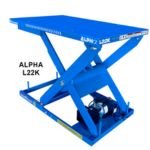
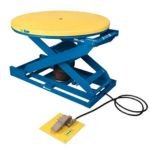
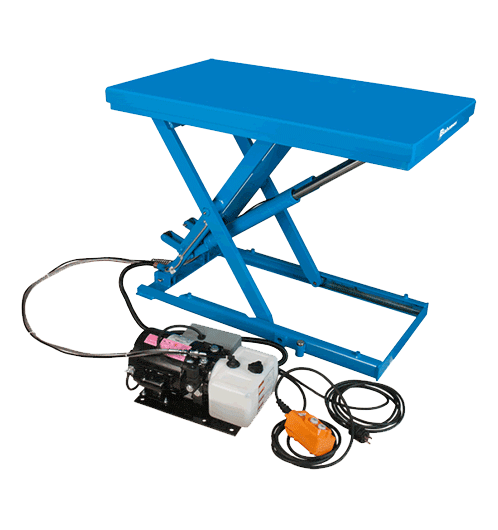
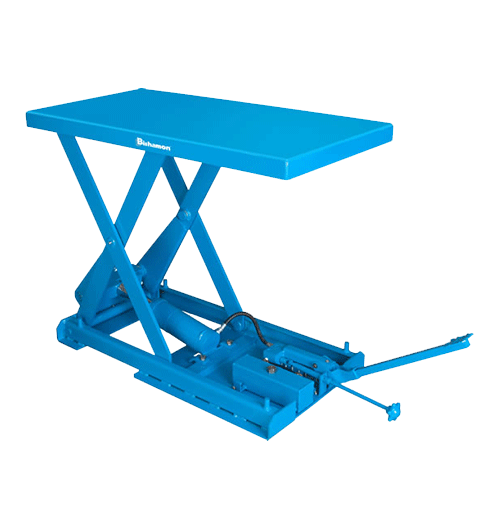
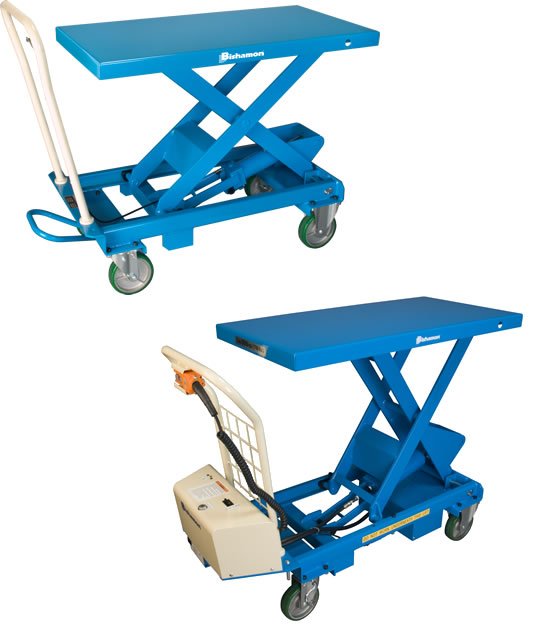
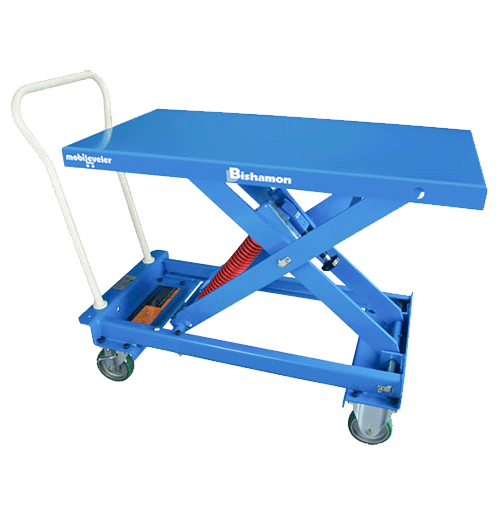
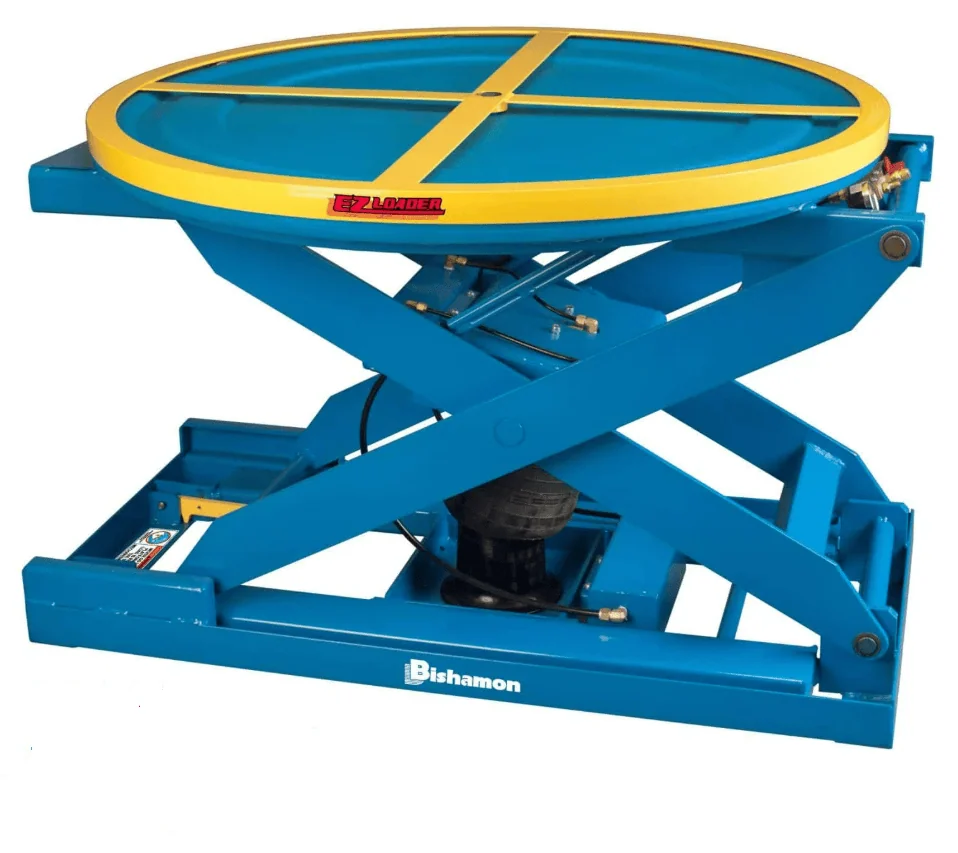
Bishamon heavy duty lift tables are engineered for demanding material handling applications where strength, stability, and reliable lifting performance are essential. Our hydraulic and electric scissor lift tables raise heavy pallets, equipment, dies, and materials to an ergonomic working height, helping reduce manual lifting, operator strain, and inefficient load handling.
Designed for warehouses, manufacturing plants, distribution centers, packaging lines, and production environments, Bishamon industrial lift tables deliver smooth, controlled load positioning for heavy-duty applications. Rugged construction and dependable performance make them a practical solution for pallet handling, die handling, assembly, equipment positioning, and other repetitive lifting tasks.
Read More...
Bishamon heavy duty lifting tables help facilities improve productivity by positioning loads at the right height for assembly, loading, inspection, and material transfer. By reducing repetitive bending, reaching, and lifting, these ergonomic scissor lift tables support safer and more efficient workflows.
Available in multiple capacities, platform sizes, and configurations, Bishamon lift tables can be matched to a wide range of industrial applications. Whether you need a heavy duty hydraulic lift table for pallet or equipment handling or an electric lift table for precise load positioning, Bishamon provides durable solutions built for long-term industrial use.
Explore Bishamon heavy duty lift tables for dependable lifting performance, improved ergonomics, and greater material handling efficiency across manufacturing, logistics, warehousing, and other industrial operations.
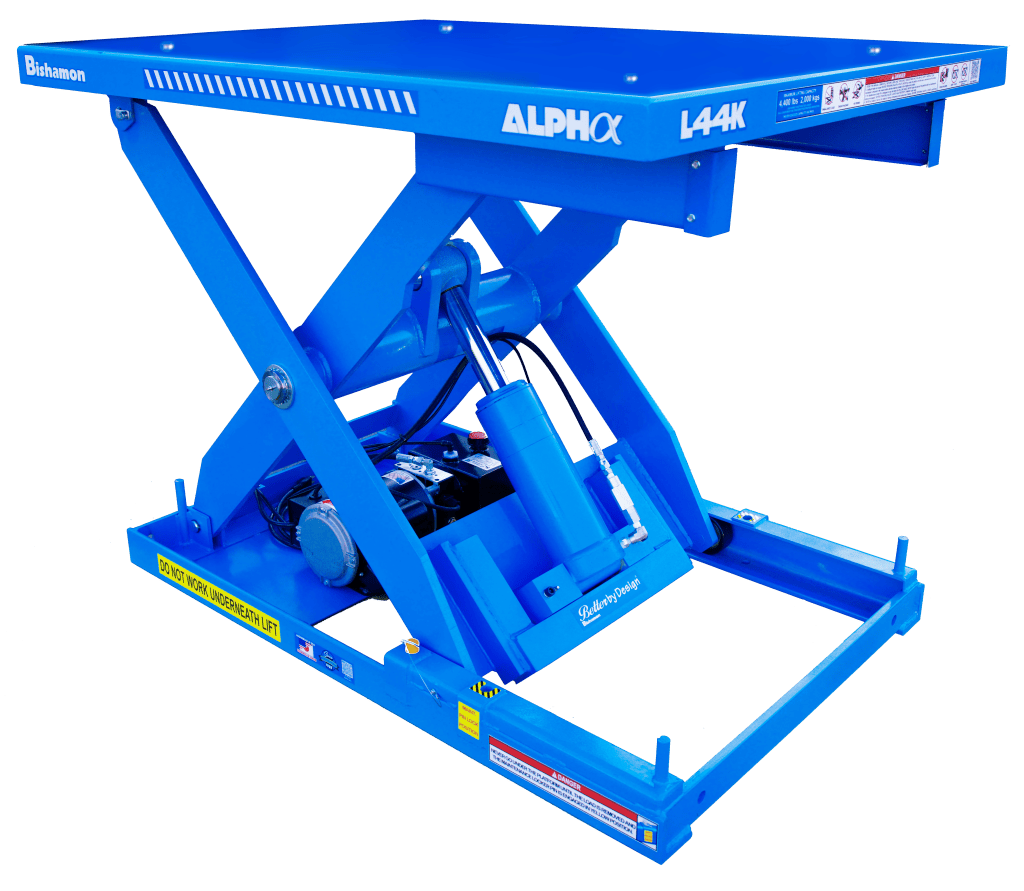
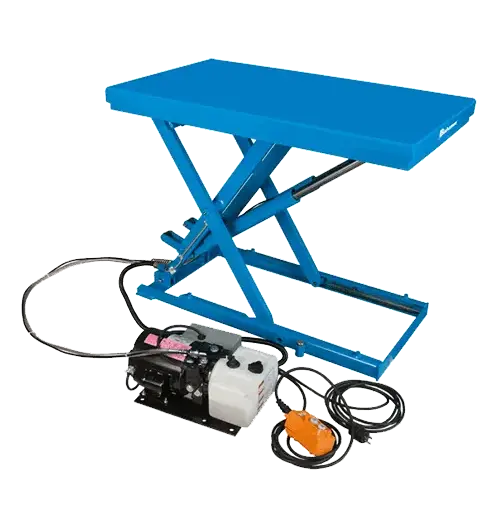
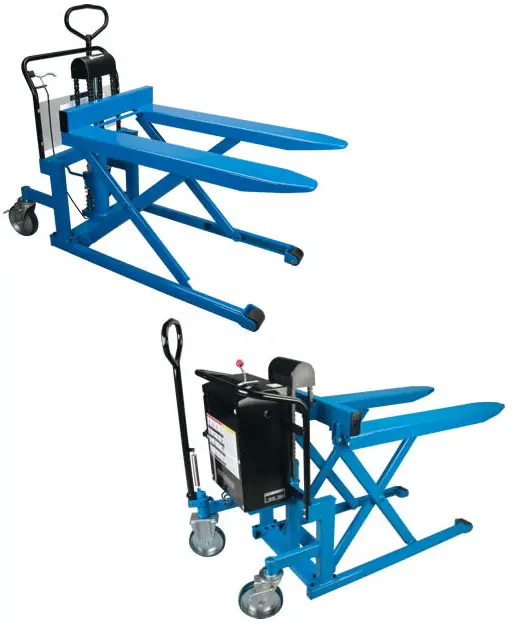
Electric-Hydraulic Scissor Lift Tables With A Collapsed Height As Low As 2.9 in.
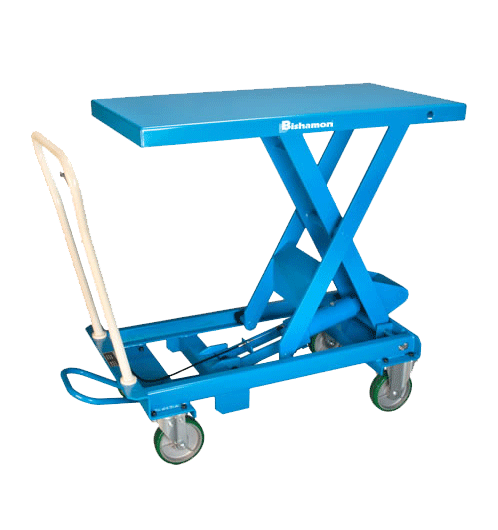

Bishamon Heavy Duty Lifts Tables FAQs
Heavy duty lift tables are used to raise, lower, and position heavy pallets, materials, and equipment at a safer, more efficient working height. They are commonly used in warehouses, manufacturing plants, distribution centers, and packaging operations to improve material handling and reduce manual strain.
A heavy duty lift table is designed for higher load capacities, more demanding workflows, and more frequent industrial use. These lift tables typically feature stronger structural components, reinforced scissor mechanisms, and more robust hydraulic or electric lifting systems than lighter-duty models.
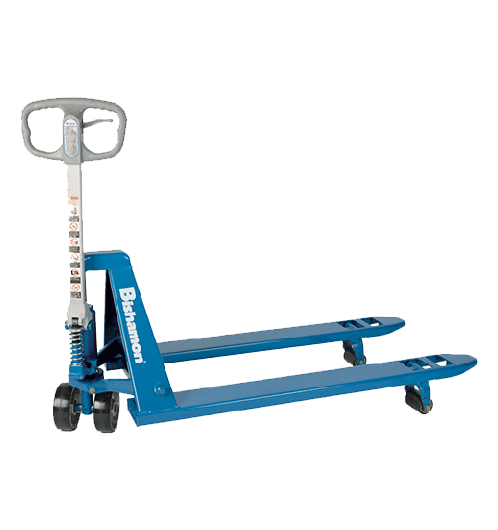
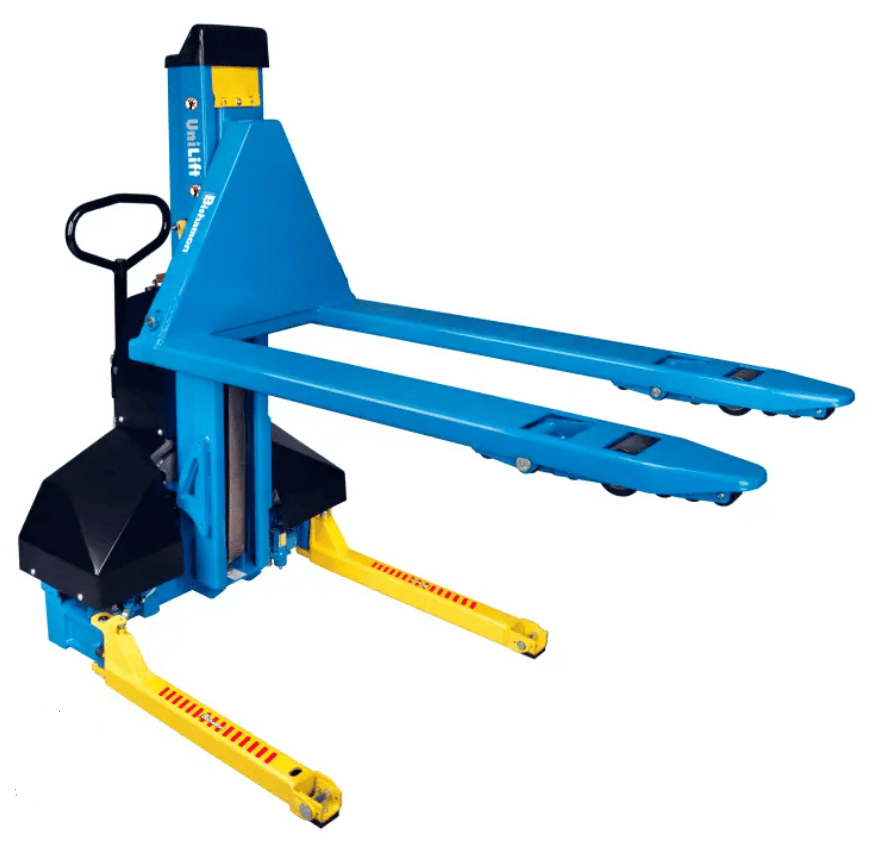
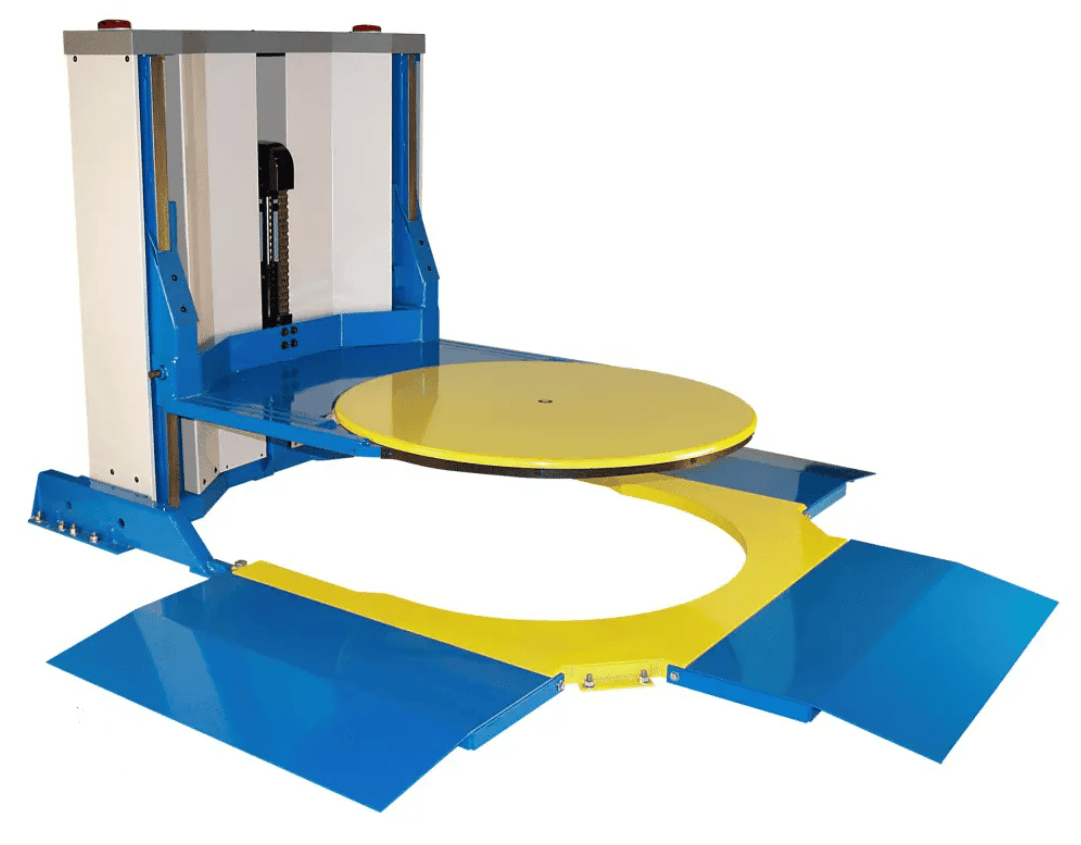
Yes, heavy duty lift tables are often used for pallet handling, especially in operations where pallets need to be raised to a more ergonomic working height for loading, unloading, staging, or assembly. Certain models are also designed to allow easier pallet jack access and more efficient floor-level loading.
Heavy duty lift tables are widely used in manufacturing, warehousing, logistics, packaging, food processing, pharmaceuticals, and other industrial environments. Any operation that regularly lifts or positions heavy materials can benefit from a heavy duty lift table.
Heavy duty lift tables improve workplace safety by reducing repetitive bending, lifting, and reaching during material handling tasks. By positioning loads at a more comfortable height, they help lower the risk of operator fatigue, strain, and common workplace injuries.
When choosing a heavy duty lift table, important factors include load capacity, platform size, lift height range, power type, safety features, and overall durability. It’s also important to consider how the lift table will be used in your workflow and whether features like low-profile access or electric operation are needed.
Yes, heavy duty lift tables are available in both hydraulic and electric configurations. The best option depends on your application, lifting frequency, load requirements, and the level of control needed for daily material handling tasks.
Yes, heavy duty lift tables can improve productivity by making it easier to position and access heavy materials during loading, unloading, assembly, and packaging tasks. This helps speed up workflows while reducing physical strain on workers.