Hydraulic vs. Pneumatic Lifts: Differences, Pros & Cons
When comparing a hydraulic lift vs. pneumatic lift, the biggest difference is how each system generates the force needed to raise and lower a load. Hydraulic lifts rely on pressurized fluid, while pneumatic lifts use compressed air.
Both technologies can improve workplace ergonomics, material positioning, and handling efficiency, but they are generally suited to different operating requirements. Hydraulic lift systems are commonly used for heavier loads and controlled industrial lifting, while pneumatic lift systems can be an effective option for lighter-duty applications or facilities where hydraulic fluid is undesirable.
Choosing the right system requires considering load capacity, lift frequency, available utilities, workspace, maintenance requirements, and how the equipment will be used throughout the workday.
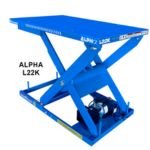
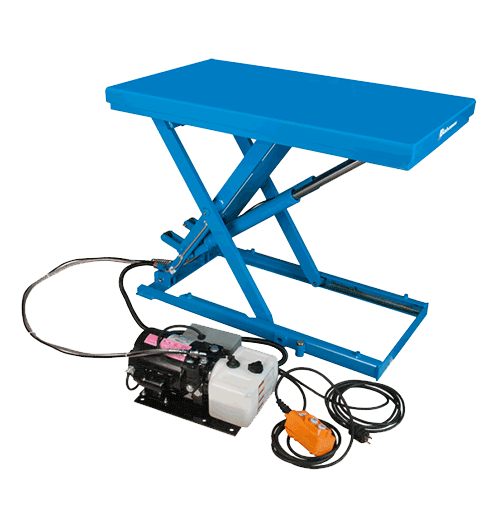
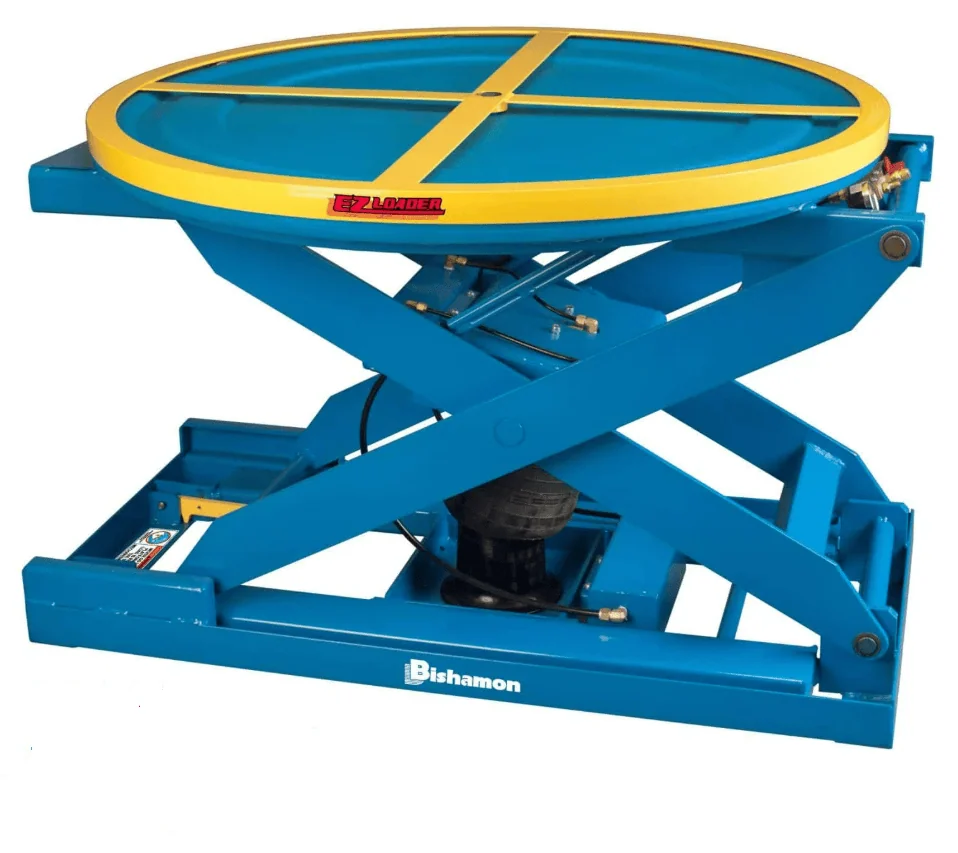
Businesses comparing equipment can explore Bishamon’s hydraulic lift tables, EZ UP® pneumatic lift tables, and complete range of industrial lift tables.
What Is a Pneumatic Lift?
A pneumatic lift uses compressed air to create the force required to raise and position a load. Instead of relying on hydraulic oil and a hydraulic power unit, a pneumatic lift system connects to an appropriate compressed-air supply.
For facilities that already use compressed air throughout production or assembly operations, pneumatic lifting equipment can provide a straightforward way to improve ergonomic load positioning.
Pneumatic lifts may be particularly useful in assembly, packaging, production, and repetitive material handling applications where loads need to be raised to a more comfortable working height.
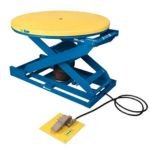
Bishamon’s EZ UP® Pneumatic Lift Tables provide air-powered load positioning without requiring an electric motor or conventional hydraulic power unit.
Hydraulic vs. Pneumatic Lift Systems: What Is the Difference?
The primary difference between hydraulic and pneumatic lift systems is the medium used to generate and transfer lifting force.
Hydraulic lifts use pressurized fluid, typically hydraulic oil, to move a cylinder and raise or lower the platform. Because liquids compress very little, hydraulic systems can provide smooth, controlled movement and substantial lifting force. This makes hydraulic lift tables useful for warehouses, manufacturing facilities, assembly lines, pallet handling, machine feeding, and other industrial applications involving heavier loads.
Pneumatic lifts use compressed air. Their air-powered design can make them an attractive solution where compressed air is already available or where businesses prefer to avoid hydraulic fluid.
Neither technology is automatically the right solution for every facility. Hydraulic systems are generally well suited to applications requiring higher capacities and controlled positioning, while pneumatic systems can provide advantages for specific lighter-duty, air-powered applications.
Hydraulic vs. Pneumatic Lift Pros and Cons
Understanding the advantages and disadvantages of hydraulic and pneumatic lifts can help businesses narrow down the right equipment for their operation.
Advantages of Hydraulic Lifts
Hydraulic lift systems are commonly selected because they can provide:
High lifting capacities
Smooth and controlled vertical movement
Stable positioning of heavy materials
Multiple platform sizes and lifting configurations
Reliable operation for repetitive industrial applications
Options for stationary, compact, low-profile, and mobile lifting
Bishamon’s hydraulic lift table collection includes solutions for a wide variety of material handling environments.
Potential Disadvantages of Hydraulic Lifts
Hydraulic systems contain fluid, cylinders, hoses, seals, fittings, and other components that require routine inspection and maintenance. Facilities also need to consider hydraulic fluid when evaluating cleanliness or environmental requirements.
Proper preventive maintenance is important for maintaining reliable performance and identifying leaks, component wear, or contamination before they affect operation.
Advantages of Pneumatic Lifts
A pneumatic lift system can offer several benefits when it matches the application, including:
Operation using compressed air
No conventional hydraulic power unit
No hydraulic oil within the lifting system
Straightforward integration into facilities with existing compressed-air infrastructure
Effective ergonomic positioning for appropriate loads
Suitability for repetitive production and assembly tasks
Potential Disadvantages of Pneumatic Lifts
Pneumatic equipment requires a suitable compressed-air supply. Air quality, pressure, leaks, and compressor efficiency can all influence system performance and operating costs.
Facilities without existing compressed-air infrastructure may also need to consider the additional equipment required to support an air-powered lift.
Which Is Better for Heavy Lifting: Hydraulic or Pneumatic?
For many heavy-duty industrial lifting applications, hydraulic systems are the more appropriate solution because they can generate substantial lifting force while providing smooth, controlled vertical movement.
Hydraulic lift tables are commonly used to position heavy parts, palletized materials, machinery components, containers, and production equipment. These applications are frequently found in manufacturing facilities, warehouses, distribution centers, maintenance departments, and industrial assembly operations.
For example, Bishamon’s LoProfile® lift tables provide industrial lifting capabilities while maintaining a low collapsed platform height for easier loading.
Businesses should always choose equipment according to the rated capacity and specifications of the individual model rather than assuming every hydraulic or pneumatic lift is appropriate for a particular load.
Hydraulic vs. Pneumatic Lifts for Small Business Operations
The right lift for a small business depends more on the application than the size of the company.
A pneumatic lift may make sense when lighter materials are being positioned and compressed air is already available within the facility. Air-powered operation may also be desirable in applications where businesses want to avoid hydraulic fluid.
A hydraulic lift table may be more appropriate when the operation handles heavier materials, needs greater lifting capacity, or requires controlled height adjustment throughout the workday.
Important factors include:
For facilities where space is especially limited, Bishamon’s small scissor lift tables offer compact solutions for production, assembly, inspection, and material staging.
Energy Efficiency of Hydraulic vs. Pneumatic Lift Systems
Energy efficiency depends on the equipment design and facility infrastructure rather than simply whether a lift is hydraulic or pneumatic.
Pneumatic systems rely on compressed air. Producing compressed air requires energy, and leaks or inefficient compressor systems can increase overall consumption.
Hydraulic lift systems use a pump to pressurize fluid and, depending on the equipment design, may consume power only during certain portions of the lifting cycle.
Businesses comparing systems should evaluate the individual equipment specifications, operating frequency, load weight, and existing facility infrastructure rather than assuming one technology will always be more energy efficient.
Maintenance Requirements for Hydraulic and Pneumatic Lifts
Both hydraulic and pneumatic lifting systems require routine inspection and preventive maintenance.
Hydraulic equipment includes components such as fluid, hoses, fittings, cylinders, pumps, and seals. These should be inspected for leakage, contamination, wear, and proper operation.
Pneumatic lift systems eliminate hydraulic fluid but still rely on air lines, fittings, valves, cylinders, and compressed-air equipment. Air leaks, moisture, or contamination within the air supply can affect system performance.
Existing facility maintenance capabilities should therefore be considered when comparing long-term operating requirements.
Space-Saving Hydraulic and Pneumatic Lift Options
Available floor space can also influence equipment selection.
Facilities with smaller workstations may benefit from CompacLift™ compact scissor lift tables, which are available in multiple capacities, platform dimensions, and power configurations while maintaining a compact footprint.
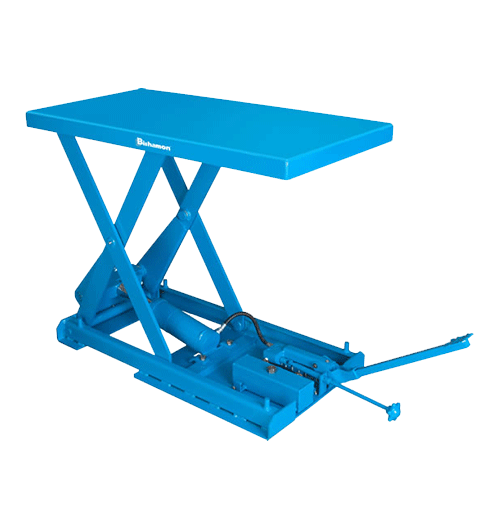
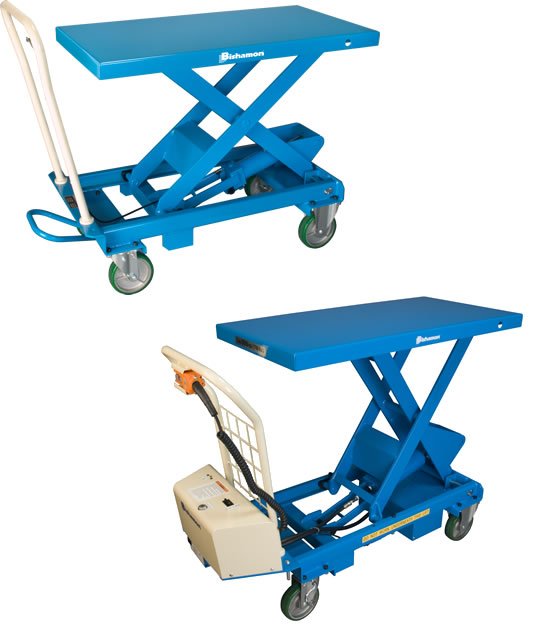
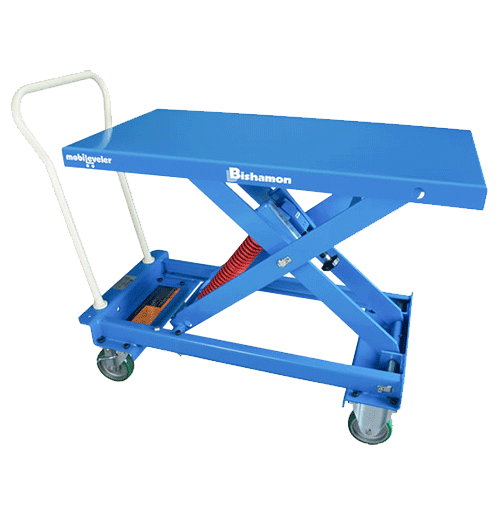
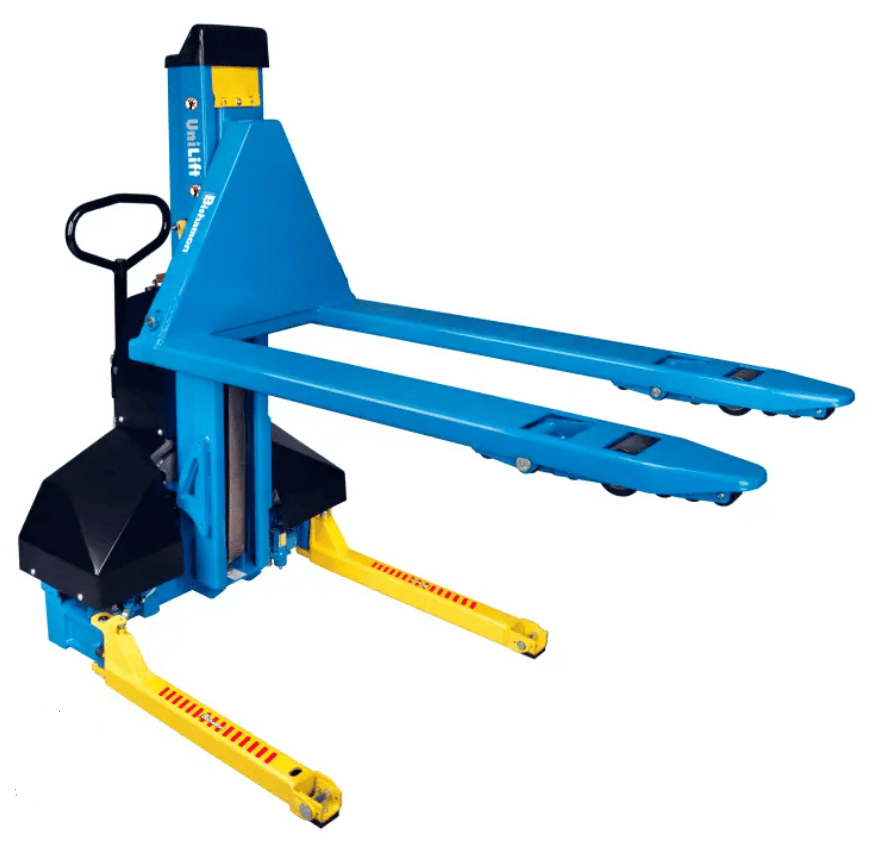
Operations requiring equipment that can move between workstations can consider MobiLift™ mobile scissor lift tables for production, assembly, inspection, staging, and other material handling tasks.
The overall footprint should include not only the dimensions of the lift itself but also adequate clearance for operators, loads, surrounding equipment, and safe platform travel.
Other Industrial Lift and Material Positioning Options
Hydraulic and pneumatic lifts are only two of the available approaches to ergonomic material positioning.
Facilities requiring portable lifting equipment can use MobiLift™ mobile lift tables to transport and position materials between work areas. Operations requiring very low loading heights can consider LoProfile® lift tables, while smaller production areas may benefit from CompacLift™ models.
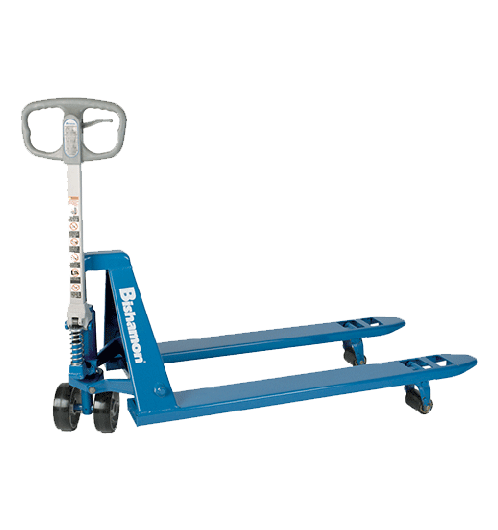
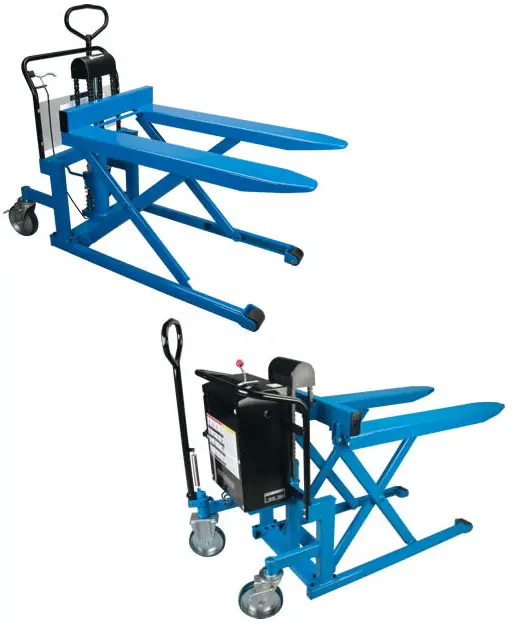
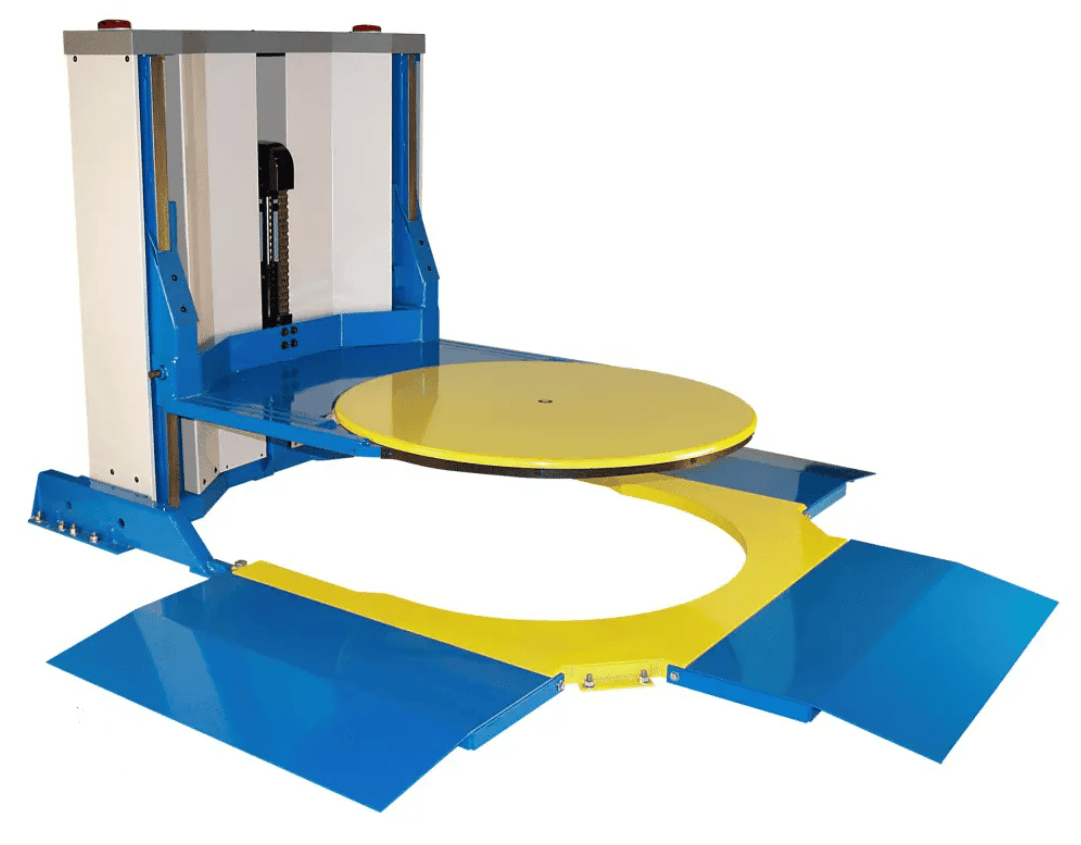
Businesses primarily handling palletized materials can also explore Bishamon’s pallet positioners, which help keep pallet loads at a more accessible working height during repetitive loading and unloading.
Matching the equipment to the actual material handling task can reduce unnecessary lifting, reaching, and bending while supporting more efficient workflows.
How to Choose Between a Hydraulic and Pneumatic Lift
When comparing hydraulic vs. pneumatic lift systems, start with the material handling application rather than the power source alone.
Consider:
Maximum load capacity
Raised and lowered heights
Platform dimensions
Frequency of operation
Desired lifting speed
Available electrical or compressed-air utilities
Floor-space limitations
Maintenance requirements
Operating environment
Stationary versus portable equipment needs
Hydraulic lifts are often a strong choice for businesses requiring heavier capacities and controlled load positioning. Pneumatic lifts may be well suited to operations where compressed air is already available and an air-powered lifting system matches the required capacity and workflow.
Ultimately, the right lift is the one that safely supports the load and integrates effectively with the way materials move through the facility.
Why Choose Bishamon Lift Systems?
Bishamon offers hydraulic, pneumatic, compact, stationary, and mobile lifting equipment designed to improve ergonomic material handling, workplace efficiency, and load positioning.
From hydraulic lift tables for demanding industrial applications to EZ UP® pneumatic lift tables for air-powered positioning, facilities can choose equipment based on capacity, workspace, loading method, and operational requirements.
Businesses can also explore Bishamon’s mobile material handling solutions or browse the complete lift table collection for assembly, packaging, pallet handling, production, inspection, and workstation positioning applications.
Selecting the appropriate lifting technology can help reduce unnecessary manual handling, improve material accessibility, and create more efficient industrial workflows.