Learn About Pallet Jack Weight Limit Load Capacity
Pallet jacks are essential material handling tools for moving palletized loads safely and efficiently throughout warehouses, factories, distribution centers, retail stockrooms, shipping departments, loading areas, and manufacturing facilities. However, every pallet jack has a maximum load rating, and understanding pallet jack weight capacity is critical before attempting to move heavy materials.
Using the correct pallet jack capacity helps protect operators, prevent equipment damage, reduce product loss, and maintain more efficient material handling operations. An overloaded or improperly loaded pallet truck can become difficult to steer, stop, or control, creating unnecessary risks for both workers and surrounding inventory.
So, how much weight can a pallet jack lift? The answer depends on the equipment. Standard manual pallet jacks commonly handle several thousand pounds, while heavy-duty, electric, and specialized pallet-handling equipment may have different load limits based on their construction and intended application.
This guide explains typical pallet jack weight limits, the differences between manual, electric, and heavy-duty equipment, factors that affect safe load handling, and how to choose the appropriate pallet truck for your operation.
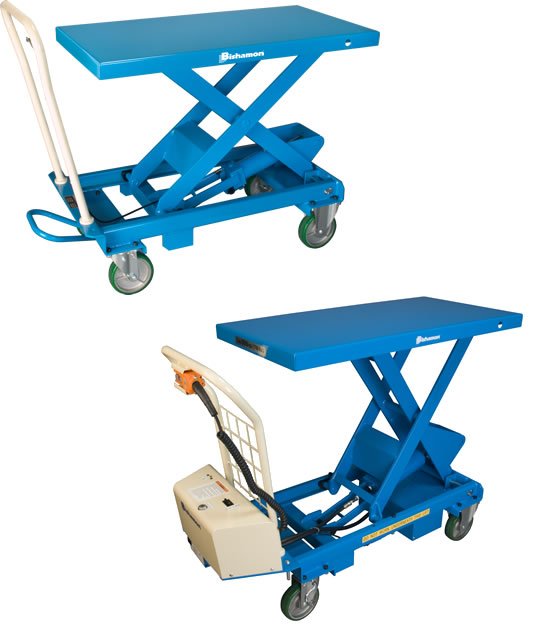
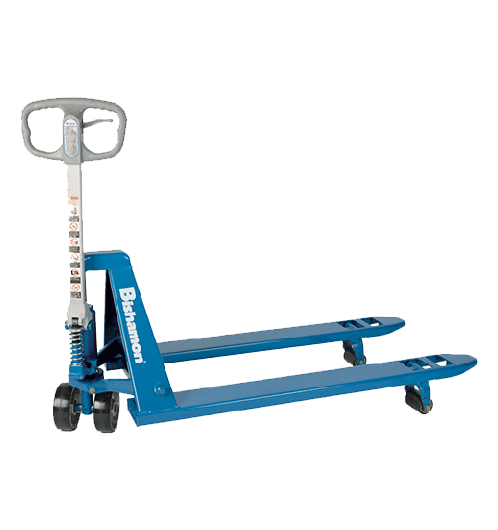
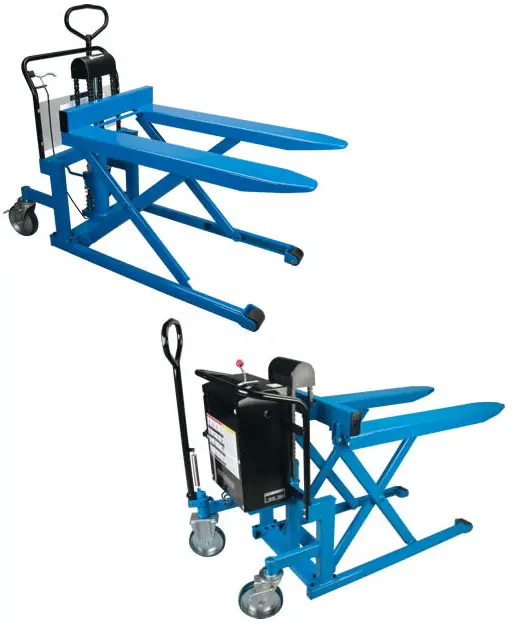
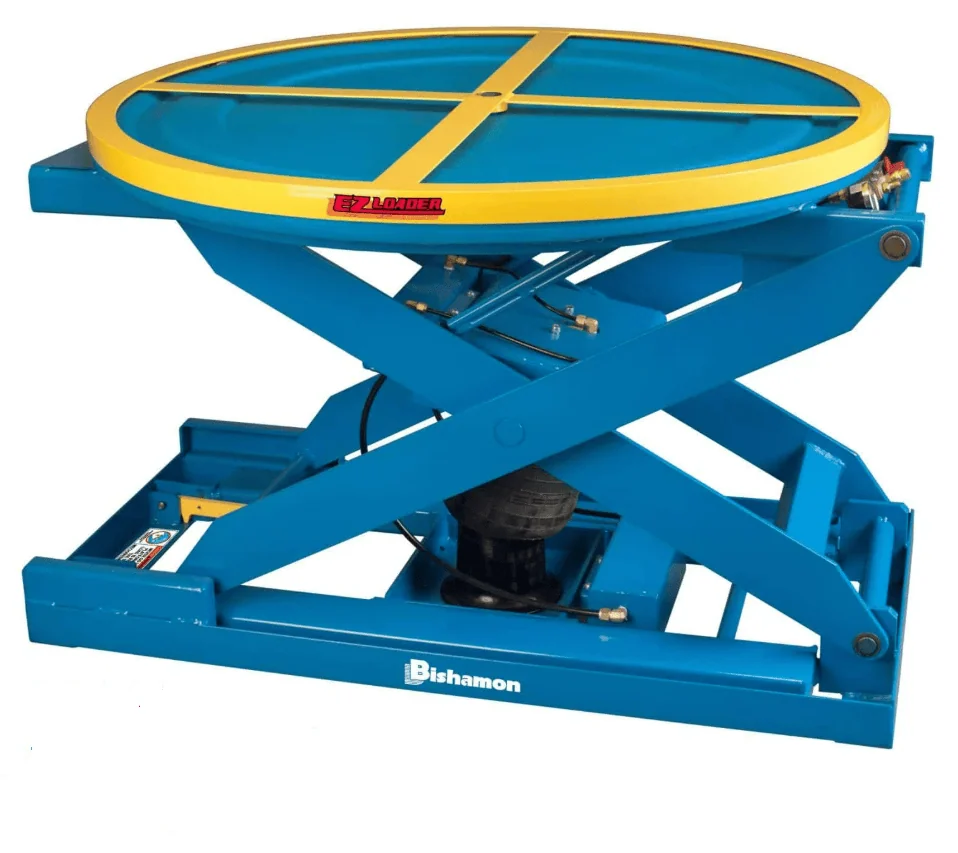
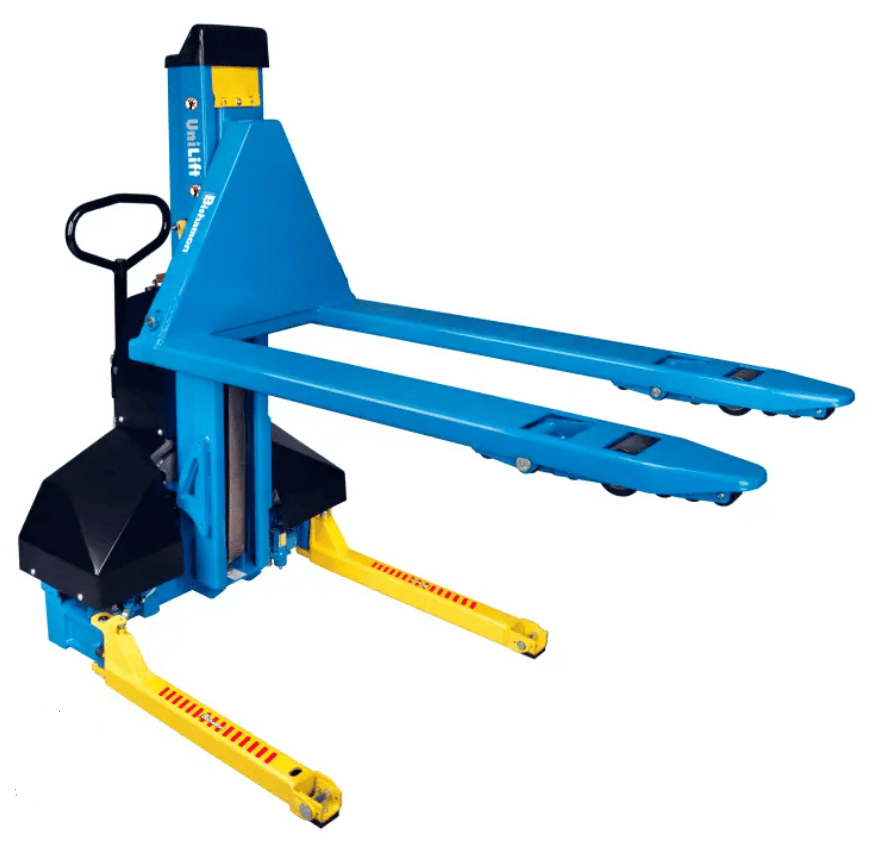
For businesses evaluating material handling equipment, Bishamon offers durable pallet trucks and skid lifts designed to support efficient pallet transportation and ergonomic load positioning.
How Much Can a Pallet Jack Lift?
A standard pallet jack lift capacity typically ranges from 5,000 to 5,500 pounds, which covers most everyday warehouse pallet handling needs. However, the exact pallet jack weight capacity depends on the specific model, design, construction, and manufacturer specifications.
There are important differences between common pallet jack types:
Manual pallet jack capacity: Manual pallet jacks typically support loads between 4,500 and 5,500 pounds, making them a practical option for routine pallet movement in warehouses, retail spaces, stockrooms, and shipping areas.
Heavy-duty pallet jack capacity: Heavy-duty pallet jacks are designed for more demanding industrial applications and may support significantly higher loads, depending on the model. These pallet trucks are often used in manufacturing facilities, distribution centers, and other environments where heavier palletized goods are handled regularly.
Electric pallet jack weight capacity: Electric pallet jack capacity varies by model, but powered pallet jacks are often used to move heavier loads more efficiently over longer distances. Because they reduce manual effort, electric pallet jacks can help improve productivity and reduce operator fatigue in high-volume facilities.
When asking, “How much weight can a pallet jack lift?” always refer to the manufacturer’s rated maximum load capacity. Selecting a pallet jack with a capacity slightly above your heaviest anticipated load can help support safer operation, reduce equipment strain, and extend service life.
Can a Pallet Jack Lift More Than Its Weight Capacity?
A pallet jack should never intentionally be used to lift more than its designated maximum weight capacity.
The pallet jack load limit represents the maximum load the equipment is engineered to handle under the conditions specified by the manufacturer. Exceeding that rating can place excessive stress on the hydraulic system, wheels, forks, bearings, frame, and other critical components.
Even if an overloaded pallet appears to rise when the handle is pumped or the lifting mechanism is activated, that does not mean the pallet jack can safely transport it. Moving the load may place substantially different forces on the equipment, particularly during turning, stopping, crossing thresholds, or traveling over imperfect flooring.
Overloading can contribute to:
- Loss of steering or braking control
- Fork bending or structural damage
- Wheel and bearing failure
- Hydraulic system damage
- Load shifting or instability
- Pallet jack tipping
- Damage to surrounding products or equipment
- Increased risk of operator injury
The safest approach is to identify the weight of the pallet and its contents before movement and verify that the total remains within the manufacturer’s specified pallet jack capacity.
Never increase the load simply because the pallet truck successfully handled a similar weight previously. Capacity limits should be treated as operating limits, not targets to exceed.
What Are the Dangers of Overloading a Pallet Jack?
Overloading a pallet jack can create several risks for operators, equipment, inventory, and overall workflow efficiency.
Mechanical Damage: Exceeding the pallet jack’s rated load capacity can strain the hydraulic system, forks, wheels, bearings, and pump components. Over time, this can lead to bent forks, broken wheels, reduced lifting performance, hydraulic issues, or costly repairs.
Reduced Maneuverability: An overloaded pallet jack becomes much harder to steer, stop, and control. This can increase the risk of collisions, tipping, or losing control of the load, especially in narrow aisles, high-traffic areas, or uneven floor conditions.
Injury Risk: Heavy or unstable loads can shift, fall, or cause the pallet jack to tip. These situations can lead to serious injuries for operators and nearby employees, particularly when moving freight near docks, ramps, or other active work zones.
Excessive Wear: Repeatedly exceeding the pallet jack weight limit accelerates wear on the wheels, bearings, hydraulic system, and frame. This shortens equipment lifespan and may increase repair and replacement costs.
Product Damage: Overloaded pallets are more likely to become unstable during transport. This can result in spills, broken products, or damaged inventory, especially when moving loads across dock plates, ramps, thresholds, or uneven surfaces.
To reduce these risks, match your pallet jack capacity to your heaviest load, train operators on safe handling practices, and inspect equipment before use. For additional safety considerations, see Bishamon’s guide on using a pallet jack on a ramp.
What Factors Affect Pallet Jack Weight Capacity?
Several factors can influence how safely and efficiently a pallet jack handles a load. The rated capacity is the most important number, but operators should also consider load distribution, pallet condition, floor surface, travel distance, and whether the load must be moved across ramps or dock plates.
Even when a load is below the maximum pallet jack weight limit, uneven weight distribution can make the pallet harder to control. Loads should be centered on the forks and secured whenever possible to reduce shifting during movement. Damaged pallets, broken deck boards, or unevenly stacked goods can also increase handling risk.
Floor conditions matter as well. Smooth warehouse floors allow for easier pallet movement, while rough surfaces, debris, inclines, or gaps can increase the effort required to move the load. Matching the pallet jack to the operating environment helps improve safety, control, and long-term performance.
How to Choose the Right Pallet Jack Capacity
Choosing the right pallet jack capacity starts with understanding the heaviest loads your team handles on a regular basis. A pallet truck should be rated above your expected load weight to provide a safety margin and reduce unnecessary strain on the equipment.
You should also consider how often the pallet jack will be used, how far loads need to travel, and whether operators will be working in tight aisles, loading docks, trailers, or production areas. Manual pallet jacks may be a good fit for standard loads and short distances, while powered or specialty equipment may be better for heavier loads, longer routes, or repetitive use.
For more guidance on equipment selection, review Bishamon’s guide on how to choose the right pallet jack for your warehouse.
Shop Bishamon Pallet Jacks Today!
Bishamon is dedicated to delivering high-quality, ergonomic pallet jack solutions designed to improve safety, efficiency, and productivity in demanding material handling environments. Our manual and heavy-duty pallet trucks are engineered for smooth performance, reliable load movement, and long-term durability in warehouses, distribution centers, and manufacturing facilities.
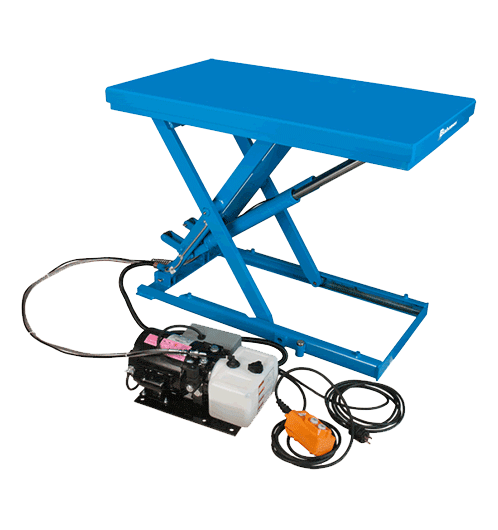
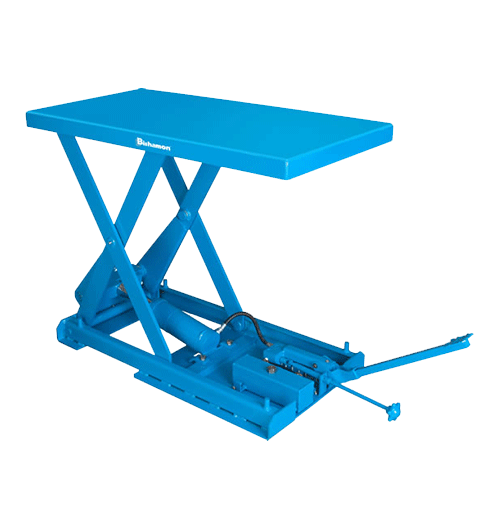
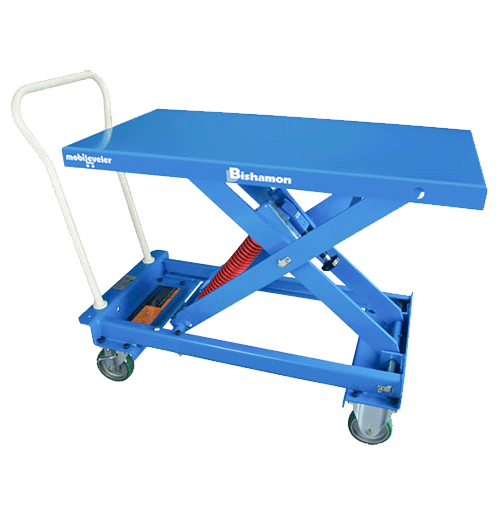
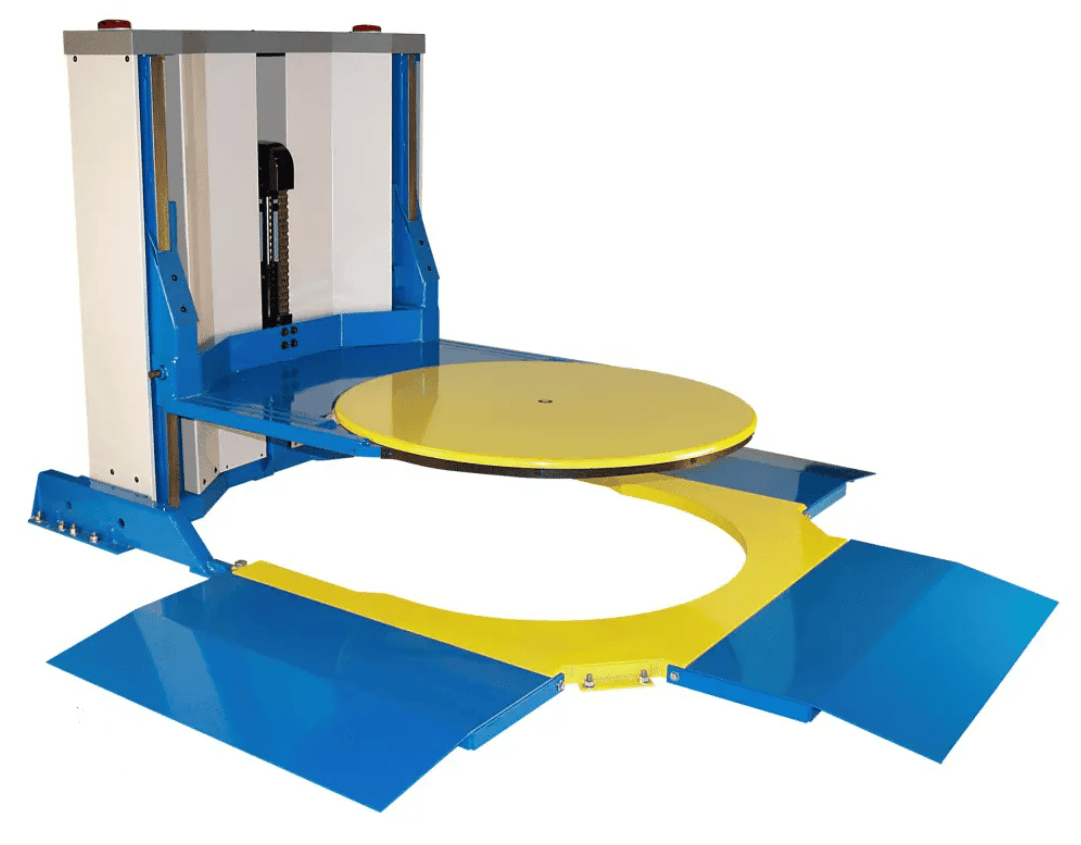
Whether your operation needs a standard pallet jack for daily warehouse use or a heavy-duty solution for higher-capacity applications, Bishamon provides equipment built to support safer and more efficient pallet handling. In addition to pallet trucks, Bishamon also offers lift tables, pallet positioners, and mobile material handling equipment to help improve ergonomics across your facility.
Contact Bishamon today to find the right pallet jack capacity for your material handling needs and discover equipment built for dependable performance, operator safety, and long-term value.