How Many Pallets Fit on a Truck? 53-Foot Trailer Pallet Capacity Guide
When shipping palletized freight, understanding how many pallets fit on a truck is essential for controlling transportation costs, maximizing trailer space, and maintaining safe load distribution. The exact number depends on the standard pallet size, trailer dimensions, pallet orientation, load height, cargo weight, and whether the freight can be safely double stacked.
For the most common 48 x 40-inch standard pallets, a 53-foot truck or trailer can typically fit 26 pallets in a single layer when loaded efficiently. If the freight is suitable for double stacking, a 53-foot trailer may accommodate up to 52 pallets.
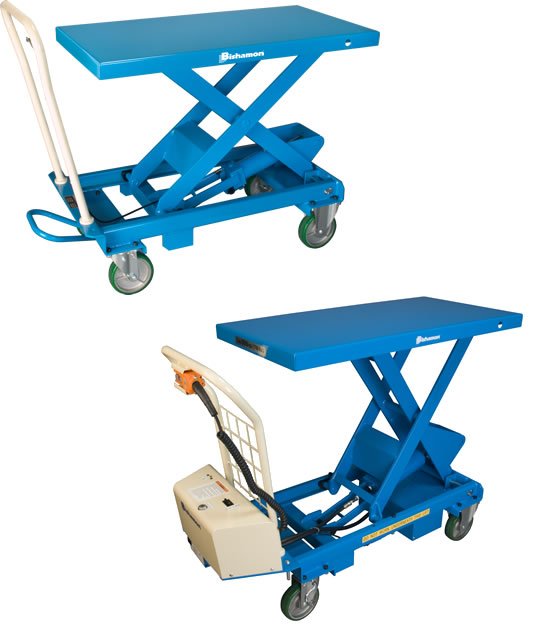
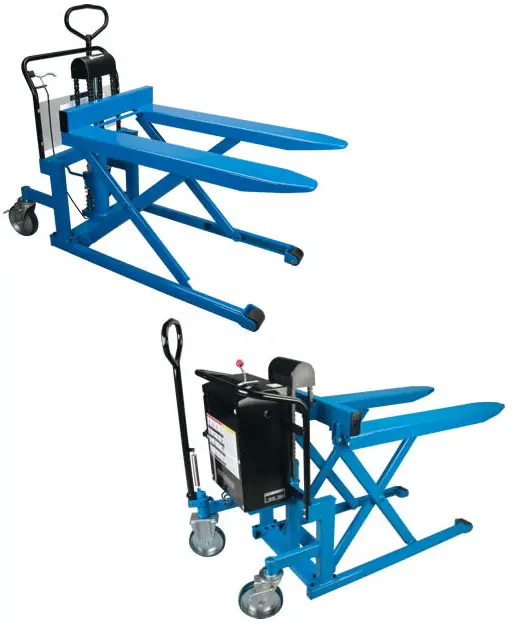
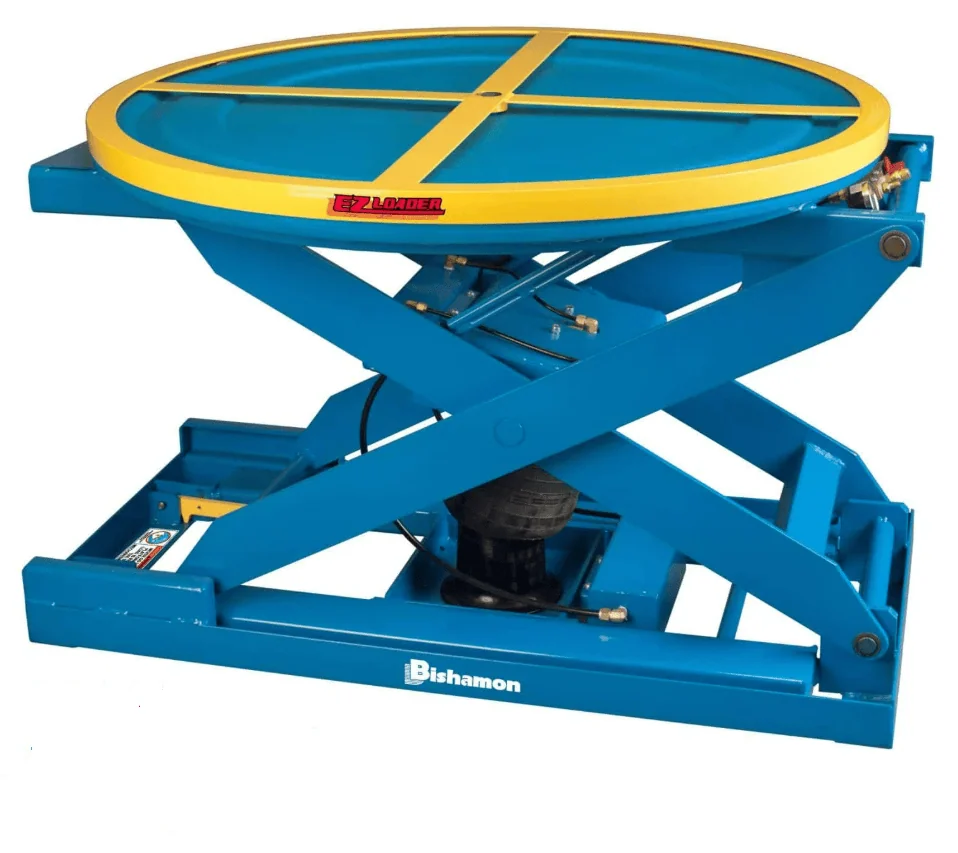
Understanding pallets per truckload helps warehouses, distributors, and logistics teams plan shipments more accurately, reduce wasted trailer space, and streamline loading and unloading. Using dependable pallet trucks and skid lifts and ergonomic pallet positioners can also make pallet handling more efficient throughout the shipping process.
What Is the Standard Pallet Size?
The most common standard pallet size in North America is 48 x 40 inches. Often referred to as a GMA pallet, this size is widely used throughout food distribution, retail, manufacturing, warehousing, logistics, and other supply chains.
Other common pallet dimensions include:
- 42 x 42 inches
- 48 x 48 inches
- Specialty pallet and skid dimensions designed for specific industries or products
Using standardized pallet dimensions makes it easier to calculate truck pallet capacity, plan warehouse layouts, organize pallet stacking, and select compatible material handling equipment.
Pallet dimensions are also important when choosing a pallet truck. Fork width, fork length, pallet opening, and load weight should all match the equipment being used. Bishamon’s skid lifts and pallet trucks provide several configurations for handling different pallet and skid applications.
How Many Pallets Fit in a 53-Foot Trailer?
A standard 53-foot trailer can typically fit 26 standard 48 x 40-inch pallets in a single layer. This is one of the most common benchmarks used when calculating 53-foot trailer pallet capacity and planning a full truckload.
A typical loading pattern places two standard pallets across the trailer width and approximately 13 rows along its usable length, creating 26 pallet positions.
The actual number of pallets that fit in a 53-foot trailer can vary based on:
- Pallet dimensions
- Product overhang
- Interior trailer dimensions
- Load height
- Cargo weight
- Pallet orientation
- Trailer weight restrictions
- Cargo securement requirements
- Whether pallets can be double stacked
Because of these variables, 26 standard pallets per 53-foot trailer should be treated as a common planning benchmark rather than a guarantee for every shipment.
How Many Standard Pallets Fit on a 53-Foot Trailer Double Stacked?
When freight can safely be stacked two pallets high, a 53-foot trailer may accommodate up to 52 standard pallets.
However, double stacking pallets in a trailer depends on more than available vertical space. The pallet, packaging, and products on the bottom load must be able to support the weight of the upper pallet without collapsing or damaging the goods.
Before double stacking pallets, consider:
- Total pallet height
- Trailer interior height
- Individual pallet weight
- Product strength and fragility
- Load stability
- Pallet condition
- Packaging strength
- Weight distribution
- Cargo securement
Double stacking can significantly increase trailer utilization, but it should only be used when the load can remain stable and protected throughout transportation.
How Many Pallets Fit in a 40-Foot Truck?
A 40-foot truck or trailer can generally fit approximately 20 to 21 standard 48 x 40-inch pallets in a single layer, depending on pallet orientation and the usable interior dimensions of the trailer.
If the freight can safely be double stacked, capacity may increase to approximately 40 to 42 pallets.
As with a 53-foot trailer, actual capacity depends on pallet dimensions, cargo height, weight distribution, trailer specifications, and whether the freight can be safely stacked.
Businesses should confirm the interior dimensions and weight restrictions of the specific truck or trailer being used before finalizing a pallet loading plan.
How Many Pallets Are in a Full Truckload?
For standard 48 x 40-inch pallets, a full truckload in a 53-foot trailer commonly consists of up to 26 pallet positions when freight is loaded in a single layer.
However, the number of pallets in a full truckload can be lower if the freight reaches the trailer’s allowable weight before all floor positions are filled. Heavy palletized products may reach weight limits quickly, while lighter products may fill the available trailer space first.
This is why full truckload pallet capacity should be evaluated using both available floor space and total cargo weight.
How Do Pallet Size and Orientation Affect Trailer Capacity?
Pallet dimensions and orientation can significantly affect how many pallets fit in a truck or semi trailer.
Standard 48 x 40-inch pallets are commonly positioned to maximize the usable width and length of a 53-foot trailer. Different pallet dimensions, such as 48 x 48-inch pallets, may require a different loading pattern and can change the number of available pallet positions.
Product overhang can also affect capacity. Even if the pallet itself measures 48 x 40 inches, boxes, containers, wrapping, or other materials extending beyond the pallet edges may prevent loads from fitting into a standard arrangement.
Before loading a trailer, measure the complete palletized load rather than relying only on the nominal pallet dimensions.
How Does Pallet Stacking Impact Truck Capacity?
Pallet stacking can significantly increase the amount of freight transported within the same trailer floor space. A single-layer load uses one pallet per floor position, while double-stacked pallets place a second load above the first.
For example, a 53-foot trailer with 26 pallet positions may potentially accommodate 52 pallets when every position can be safely double stacked.
Not every product should be stacked. Tall, fragile, irregular, or unstable loads may require single-layer transportation even when additional vertical space is available.
Proper pallet stacking helps:
- Increase trailer utilization
- Reduce unused vertical space
- Improve transportation efficiency
- Consolidate shipments
- Reduce the number of truckloads required
Loads must still remain within trailer height and weight limitations and be secured against shifting during transit.
What Is the Maximum Weight for a Truck Full of Standard Pallets?
The maximum weight of a truckload depends on applicable vehicle weight restrictions and the weight of the truck, trailer, pallets, and cargo.
In the United States, most interstate tractor-trailers are generally limited to a gross vehicle weight of 80,000 pounds, including the tractor, trailer, equipment, and freight.
This means a trailer can reach its allowable weight before all 26 standard pallet positions are filled. Heavy materials may therefore result in fewer pallets per truckload even when additional floor space remains available.
Businesses should calculate the weight of each pallet before loading and distribute heavy loads appropriately throughout the trailer.
What Are the Benefits of Using Standard Pallets for Shipping?
Standard pallets provide predictable dimensions that simplify freight planning, storage, transportation, and warehouse material handling.
Benefits of using standard pallets include:
- More accurate truck pallet capacity calculations
- Easier trailer loading and pallet stacking
- Better warehouse space utilization
- Faster loading and unloading
- Compatibility with pallet racks
- Compatibility with forklifts and pallet trucks
- More consistent load support
- Easier pallet replacement and exchange
Standardized dimensions also make it easier for facilities to select appropriate pallet handling equipment.
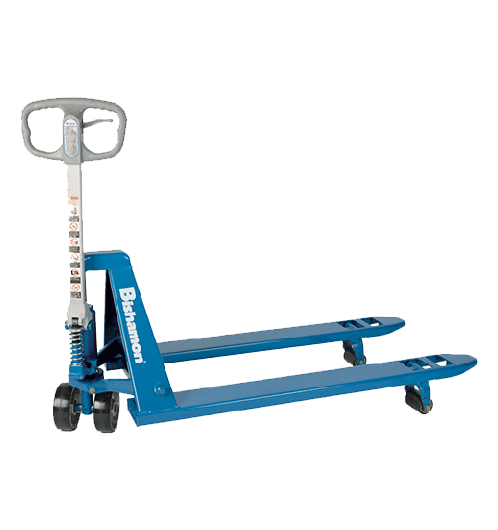
Bishamon’s Blue Label Hand Pallet Trucks are designed for dependable floor-level pallet transportation in warehouses, distribution centers, production facilities, and loading areas.
How Many Pallets Can a Forklift or Pallet Jack Handle?
A standard forklift or pallet truck typically moves one pallet at a time, although specialized forklift attachments may allow certain equipment to handle multiple pallets.
Pallet jacks are generally designed to transport one pallet per trip because of their fork arrangement, capacity, and intended application.
This makes equipment selection an important part of truck loading and unloading efficiency. A dependable pallet truck can help employees move freight between staging areas, loading docks, trailers, and warehouse locations with less unnecessary manual effort.
For additional guidance, read Bishamon’s guide on how to choose the right pallet jack for your warehouse or learn more about how much weight a pallet jack can lift.
How to Maximize Truck Space With Pallets
Effective pallet loading can help businesses maximize trailer capacity while maintaining safe cargo handling.
Confirm Pallet and Product Dimensions
Measure the entire loaded pallet, including product overhang, corner protection, wrapping, and packaging. Even small amounts of overhang can interfere with the planned pallet configuration.
Use Standard Pallet Sizes
Consistent pallet dimensions make 53-foot trailer pallet loading patterns easier to calculate and help reduce unused gaps between loads.
Evaluate Double-Stacking Compatibility
Double stack pallets only when the products, pallets, and packaging can support the additional load. The combined height must also remain within available trailer clearance.
Plan Pallet Orientation Before Loading
Determine how pallets will be positioned before loading begins. A planned pallet configuration can help maximize floor space and prevent unnecessary repositioning inside the trailer.
Distribute Weight Evenly
Proper load distribution is just as important as pallet count. Avoid concentrating heavy pallets in one section of the trailer and confirm that the completed load remains within applicable weight limits.
Secure Palletized Freight
Stretch wrap, banding, straps, load bars, dunnage, and other securement methods can help prevent pallets from shifting during transit.
Plan the Unloading Sequence
For multi-stop deliveries, organize pallets according to the order in which they will be removed. This can reduce unnecessary material movement and improve unloading efficiency.
Use the Right Pallet Handling Equipment
Reliable pallet handling equipment helps employees move freight efficiently throughout warehouse aisles, staging areas, loading docks, and shipping departments.
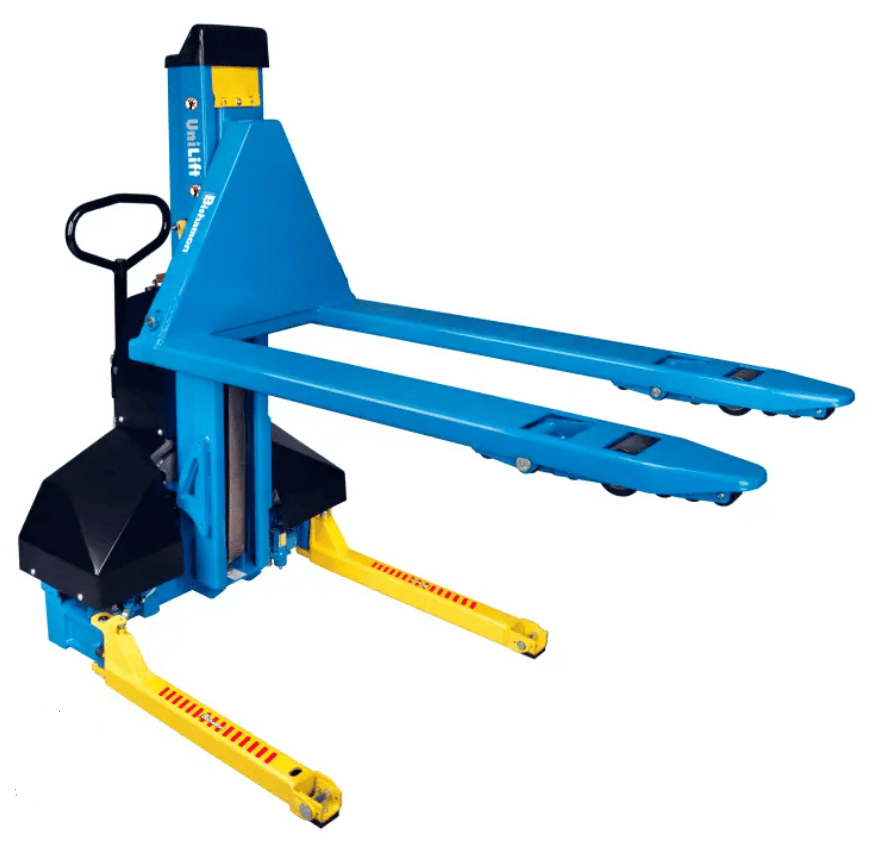
Bishamon’s Blue Label Hand Pallet Trucks provide dependable pallet transport, while the UniLift® Electric Pallet Handler combines pallet transport with elevated load positioning for applications requiring greater ergonomic access.
How Can Bishamon Equipment Improve Pallet Handling Efficiency?
Efficient truck loading and unloading depends on how easily pallets can be transported, positioned, built, and broken down throughout the facility.
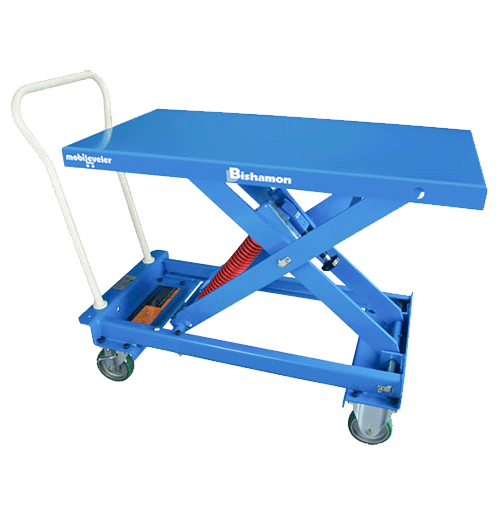
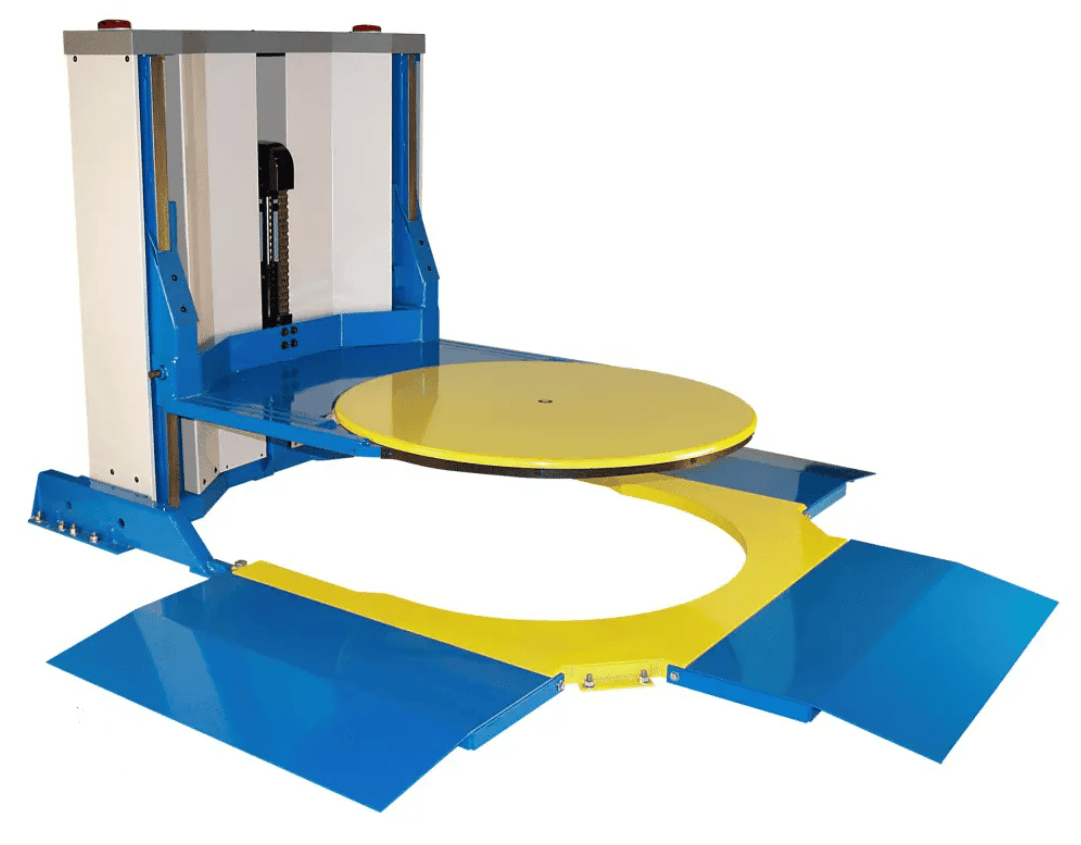
Bishamon pallet positioners help keep palletized materials at an accessible working height, reducing repetitive bending, reaching, and unnecessary movement during loading and unloading. Options include hydraulic, pneumatic, electric, and other configurations designed for different material handling workflows.
The EZ Loader® Automatic Pallet Positioner automatically adjusts load height as materials are added or removed, while the UniLift® Electric Pallet Handler allows operators to transport and elevate standard pallets and skids.
For floor-level pallet transportation, Bishamon’s Blue Label Hand Pallet Trucks provide durable handling solutions for warehouses, loading docks, distribution centers, and manufacturing environments.
By matching the right pallet handling equipment to each stage of the shipping process, businesses can improve workflow efficiency, reduce unnecessary material handling, and make loading and unloading palletized freight easier for employees.