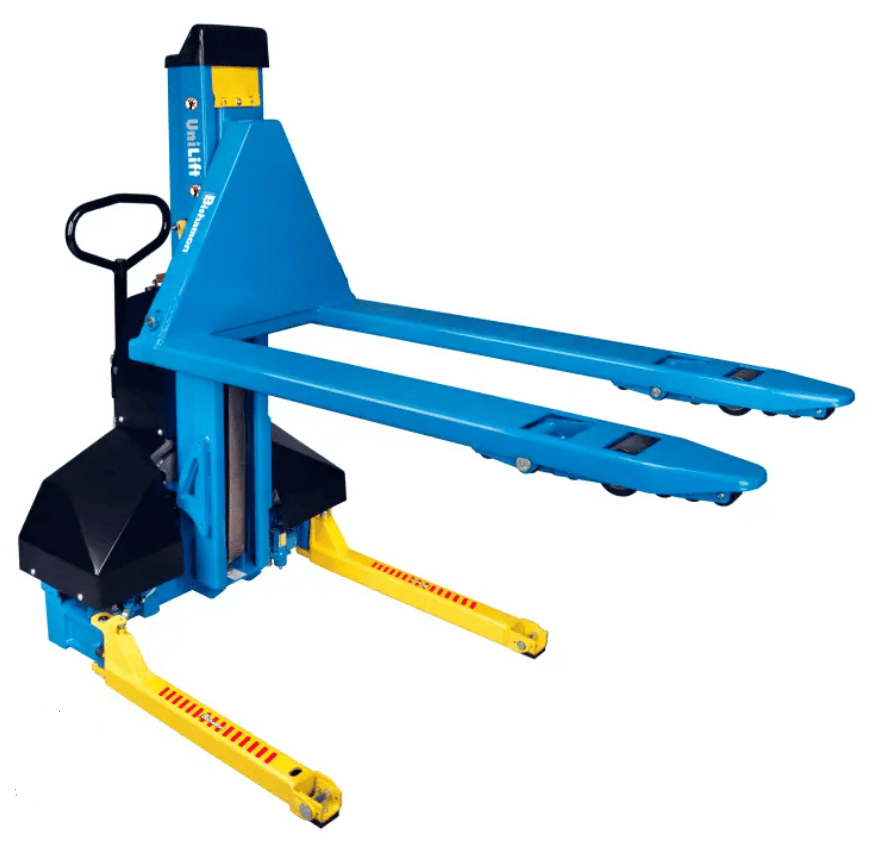
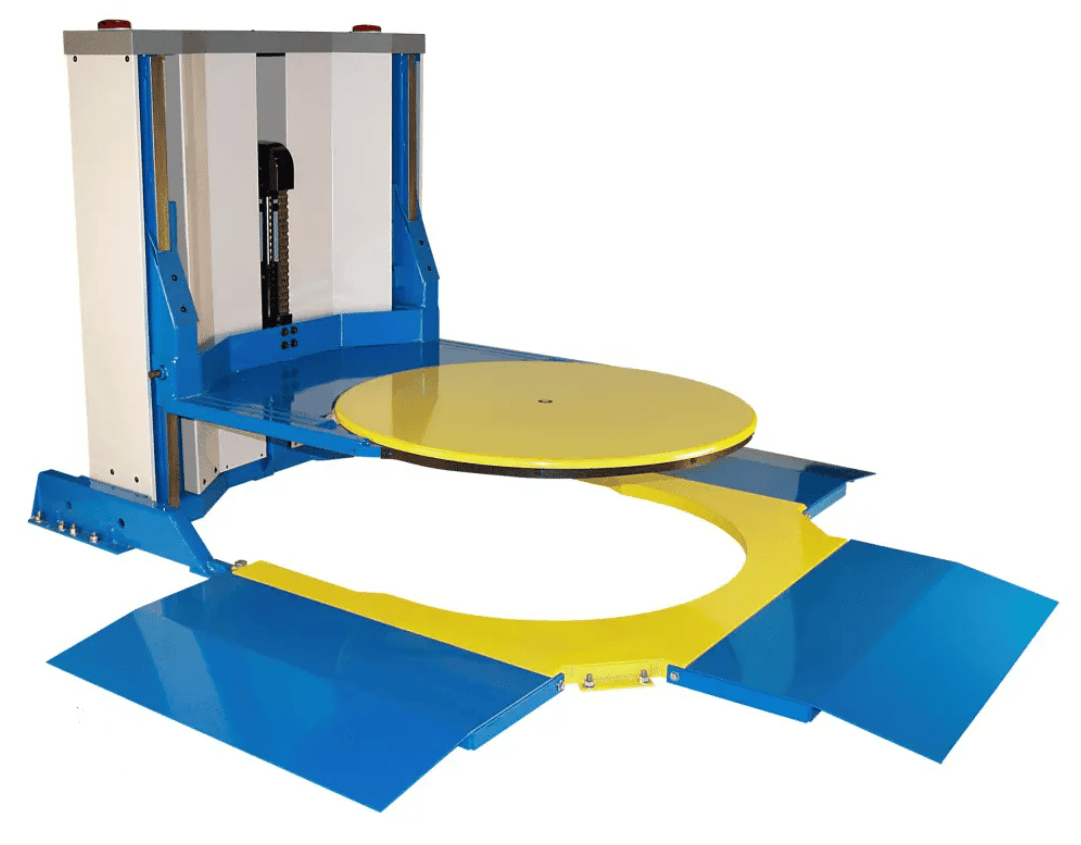
Space is valuable in warehouses, manufacturing facilities, assembly areas, maintenance departments, and production environments. When floor space is limited, every piece of equipment needs to contribute to productivity without creating unnecessary congestion. Compact lift tables provide an effective solution by combining ergonomic load positioning with a comparatively small footprint.
A properly selected small lift table can raise materials, parts, tools, and equipment to a more comfortable working height while fitting into areas where larger material handling equipment may be impractical. For facilities trying to improve ergonomics and productivity without redesigning an entire workstation, compact lifting equipment can make better use of the space already available.
What Are Compact Lift Tables and How Do They Work?
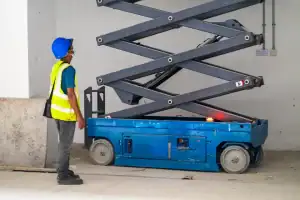
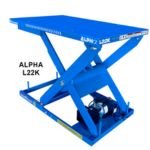
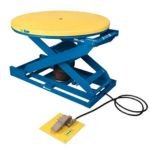
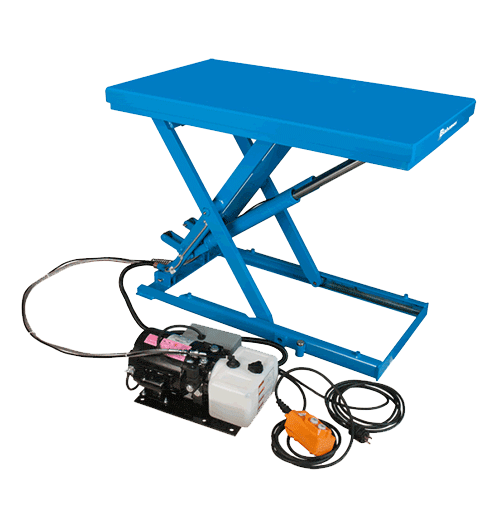
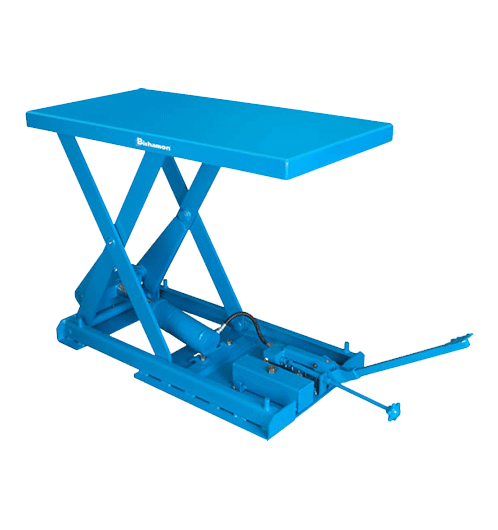
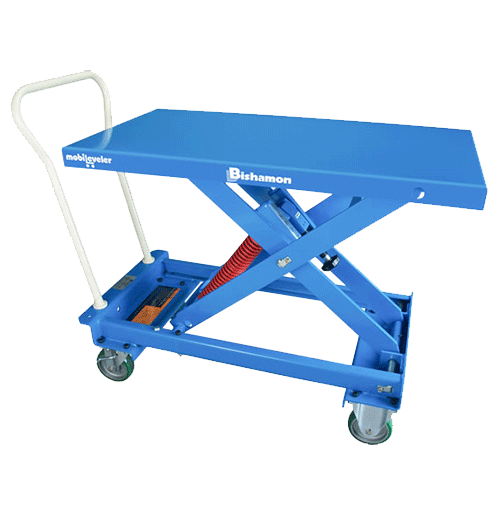
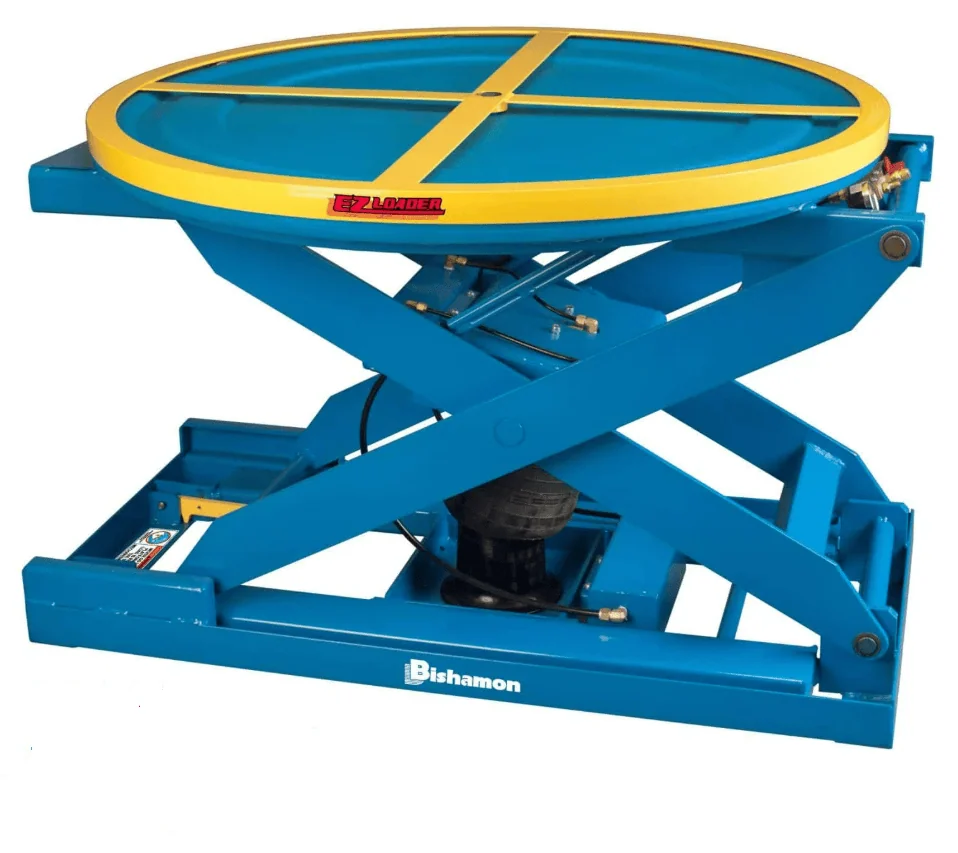
Compact lift tables are material handling platforms designed to raise and lower loads within a relatively small footprint. Most use a scissor-style lifting mechanism that expands vertically as the platform rises and contracts as it lowers.
Instead of requiring employees to repeatedly bend, reach, or manually lift materials, a small lift table brings the load closer to an appropriate working height. This makes compact tables particularly useful for assembly, inspection, packaging, machine feeding, parts handling, and other repetitive production tasks.
Unlike larger lifting equipment designed primarily to transport materials over long distances, compact lift tables are generally focused on positioning materials vertically at or near a workstation.
Types of Compact Lift Tables: Manual, Electric, and Air-Operated
The best lifting method depends on the application, frequency of use, available utilities, and load requirements.
Manual lift tables typically use a hydraulic foot pump. They can be a practical option for applications where loads need to be adjusted periodically and electrical or pneumatic power is unnecessary.
A small electric lift table uses powered operation to raise and lower loads more consistently. Electric models can be especially helpful in production environments where employees make frequent height adjustments throughout a shift.
Air-operated models use compressed air to power the lifting system. For facilities already equipped with a suitable compressed-air supply, pneumatic operation can provide another efficient lifting option.
Terms such as compact leg lifts can sometimes appear in broader searches for lifting products, but industrial compact lift tables are specifically designed for controlled material positioning and workstation ergonomics.
Benefits of Compact Lift Tables for Small Workspaces
The primary advantage of compact lifting equipment is simple: it allows facilities to improve material positioning without consuming excessive floor space.
Other benefits can include:
- Reducing repetitive bending, lifting, and reaching
- Positioning materials at a more ergonomic working height
- Making better use of confined production areas
- Supporting assembly and packaging workstations
- Improving access to parts, components, and equipment
- Reducing dependence on manual material handling
- Creating more organized workflows
For smaller facilities, these improvements can be especially valuable because expanding the building or substantially reconfiguring production areas may not be practical.
How Compact Lift Tables Optimize Efficiency in Small Workspaces
A compact footprint allows lift tables to be installed closer to the actual point of work. Employees can position materials directly beside assembly stations, machinery, packaging equipment, inspection areas, or production cells instead of repeatedly moving between separate lifting and working areas.
This can reduce unnecessary movement and help keep frequently handled materials within easier reach.
A small electric lift platform can also make repeated adjustments faster when different workers, products, or production stages require different working heights. Rather than designing the workstation around a single fixed height, operators can adjust the load itself.
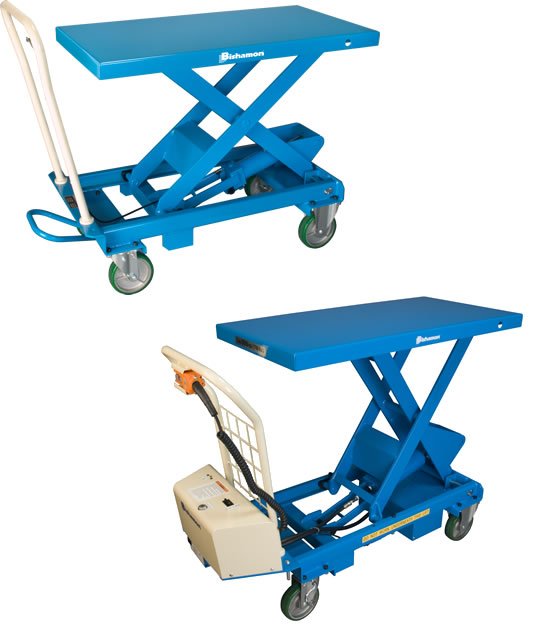
Facilities that need equipment to move between work areas may instead consider a small portable lift, while stationary compact tables are often better suited to dedicated work cells and repetitive positioning tasks.
Choosing the Right Compact Lift Table for Small Workspaces
Selecting a compact lift table should involve more than simply choosing the smallest available model. Facilities should evaluate how the table will actually be used.
Important considerations include:
Load capacity: Determine the maximum expected weight and choose equipment rated appropriately for the application.
Platform dimensions: The platform should properly support the materials being handled while still fitting within the available workspace.
Lift height: Consider both the lowered height for loading and the maximum raised height required for comfortable access.
Frequency of operation: Applications requiring frequent adjustments may benefit from a small electric lift table, while occasional positioning may be well suited to manual operation.
Available power: Determine whether the workstation has access to electrical power or compressed air.
Workspace layout: Evaluate surrounding equipment, operator movement, aisles, machinery, and other potential obstructions before selecting a table.
The goal should be to choose small equipment lifts that improve the workstation rather than simply fitting into it.
Bishamon Compact Lift Tables: Top Solutions for Small Work Areas
For facilities that need industrial lifting capabilities in confined areas, the Bishamon CompacLift X Series is designed specifically for light- to medium-duty lifting and positioning applications where workspace is limited.
The CompacLift Series includes manual hydraulic, electro-hydraulic, and air-hydraulic configurations, allowing operations to select a power method that fits their facility and workflow. Available configurations also provide multiple platform sizes, lifting heights, and capacities for applications ranging from smaller parts-handling stations to more demanding industrial work areas.
A Bishamon lift table can be integrated into production lines, assembly stations, packaging areas, inspection workstations, maintenance departments, and other locations where ergonomics and floor-space efficiency are both priorities.
Cost Benefits of Using Compact Lift Tables in Small Workspaces
Compact lift tables can provide value beyond their physical footprint.
Improving load positioning may reduce the amount of manual handling required during repetitive tasks. A more efficient workstation can also reduce unnecessary movement between equipment and help employees spend more time performing productive work.
Compact equipment may also allow facilities to improve existing work areas without investing in extensive layout changes. For operations where space is already limited, maximizing existing square footage can be more practical than expanding production space.
Maintenance Tips for Compact Lift Tables in Warehouses
Routine inspection and maintenance help support reliable operation and extend equipment life.
Facilities should regularly inspect lift tables for visible damage, leaks, unusual movement, worn components, or loose hardware. The platform and surrounding area should also be kept free of debris that could interfere with operation.
Operators should follow the manufacturer’s maintenance recommendations, observe all rated capacity limits, and remove equipment from service if a safety or mechanical issue is discovered.
Maximize Workspace with the Right Compact Lift Table
Limited floor space does not have to mean limited material handling capability. Compact lift tables allow warehouses and industrial facilities to bring ergonomic load positioning directly into smaller work areas.
Whether an operation needs a manual small lift table, a small electric lift table, or another compact lifting configuration, choosing equipment that matches the load, workstation, and workflow can improve both space utilization and everyday efficiency.
For facilities where every square foot matters, compact lifting equipment provides a practical way to make existing workspaces work harder.