Skids vs Pallets: Uses and Advantages
Choosing between skids and pallets depends on your business needs, including stability, storage, transportation frequency, budget, and the type of material handling equipment used in your operation. While both are platforms used to support and move goods, pallets are generally better suited for frequent shipping, stacking, and warehouse transport, while skids are often preferred for stationary storage, machinery support, or temporary applications.
Understanding the difference between skids and pallets can help businesses improve warehouse efficiency, reduce handling costs, and choose the right equipment for safer, more productive workflows.
What are skids used for in business logistics?
In business logistics, skids are flat platforms used to support, store, and move goods, but unlike pallets, they typically do not include a bottom deck. Because skids are lighter and simpler in construction, they are often used for stationary storage, machinery bases, or temporary support in warehouses and industrial facilities.
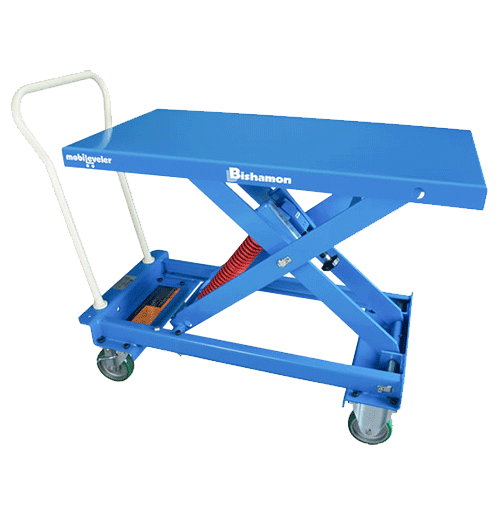
Skids can be a cost-effective option when loads do not require frequent stacking, repeated transport, or long-distance shipping. For businesses that handle open-bottom pallets or skids, Bishamon’s skid lifts and pallet trucks provide ergonomic support for raising, positioning, and transporting loads more safely.
What are pallets used for in business logistics and shipping?
In business logistics and shipping, pallets are used as stable, portable platforms for stacking, storing, and transporting products. They allow items to be easily moved by forklifts, pallet jacks, and other handling equipment, making loading and unloading more efficient. Bishamon pallet jacks are designed to work with standard pallet sizes, streamlining movement while enhancing safety and productivity.
Standardized pallet sizes simplify storage, maximize warehouse space, and improve truck loading, reducing transportation costs. Pallets in a warehouse protect products from damage during transit by elevating them off the ground, ensuring goods remain organized, accessible, and safe throughout the supply chain.
Key Differences Between Skids and Pallets
In the skid vs. pallet choice, each serves unique purposes depending on mobility, stability, and budget needs. Differences between a pallet and a skid include:
- Design: Pallets have a top and bottom deck, providing greater stability, while skids have only a top deck, making them lighter and simpler.
- Mobility: Pallets are easier to stack and transport, ideal for moving goods, while skids are often used for stationary storage or as bases for heavy equipment.
- Applications: Pallets are preferred for shipping and logistics due to their durability, whereas skids are suited for temporary storage and one-time uses.
- Cost: Skids are typically cheaper due to simpler construction and fewer materials, while pallets are more durable and reusable, justifying a higher cost.
Benefits of Using Skids in Business
- Cost-Effective: Skids are typically more affordable and can be a practical option for temporary storage or one-time use.
- Lightweight: Their simpler design makes them easier to handle and reposition when needed.
- Space-Saving: Skids can take up less room than bulkier pallet designs in certain applications.
- Versatile: They work well as stationary storage platforms or bases for heavy machinery.
- Lower Material Use: Because skids use fewer materials, they may be suitable for businesses seeking a simpler support platform.
Benefits of Using Pallets in Business
- Efficient Handling: Pallets are designed for easy movement with forklifts and pallet jacks, helping streamline loading and unloading.
- Standardized Sizes: Consistent dimensions can improve warehouse organization and maximize storage and truck space.
- Product Protection: Pallets elevate goods off the floor, helping reduce exposure to moisture, dirt, and damage during transport.
- Improved Organization: Their stackable design helps keep materials secure, accessible, and easier to manage.
- Long-Term Value: Durable, reusable pallets can reduce replacement frequency and support more efficient supply chain operations.
When to Use Skids vs. Pallets in Business Logistics
Use skids when you need a cost-effective, simple base for stationary storage, heavy equipment, or single-use applications. Skids are ideal for temporary setups, less frequent transport, or situations where lightweight support is sufficient.
Use pallets for applications involving frequent handling, stacking, and shipping. Pallets provide greater stability, better hygiene, stronger product protection, and easier movement with forklifts or pallet jacks, making them the preferred choice for long-term or high-volume logistics operations.
Material Handling Equipment for Skids and Pallets
Choosing the right material handling equipment depends on load weight, movement frequency, and storage needs for your skids and pallets. Material handling equipment may include:
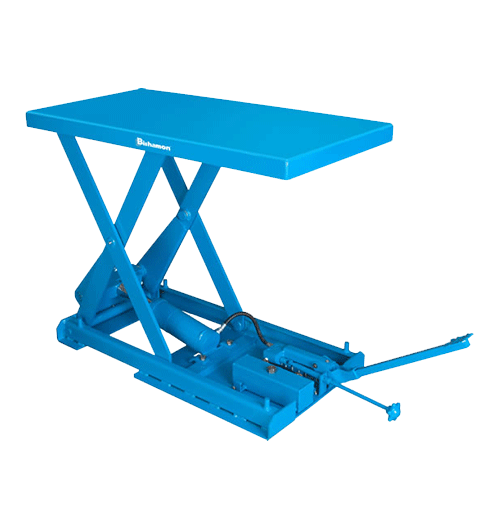
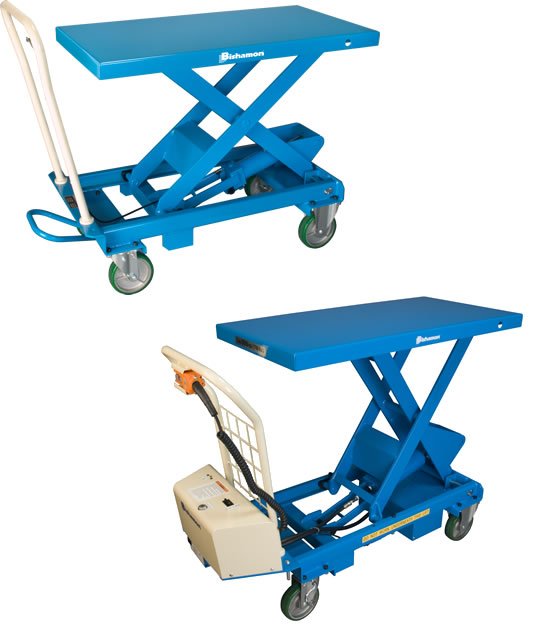
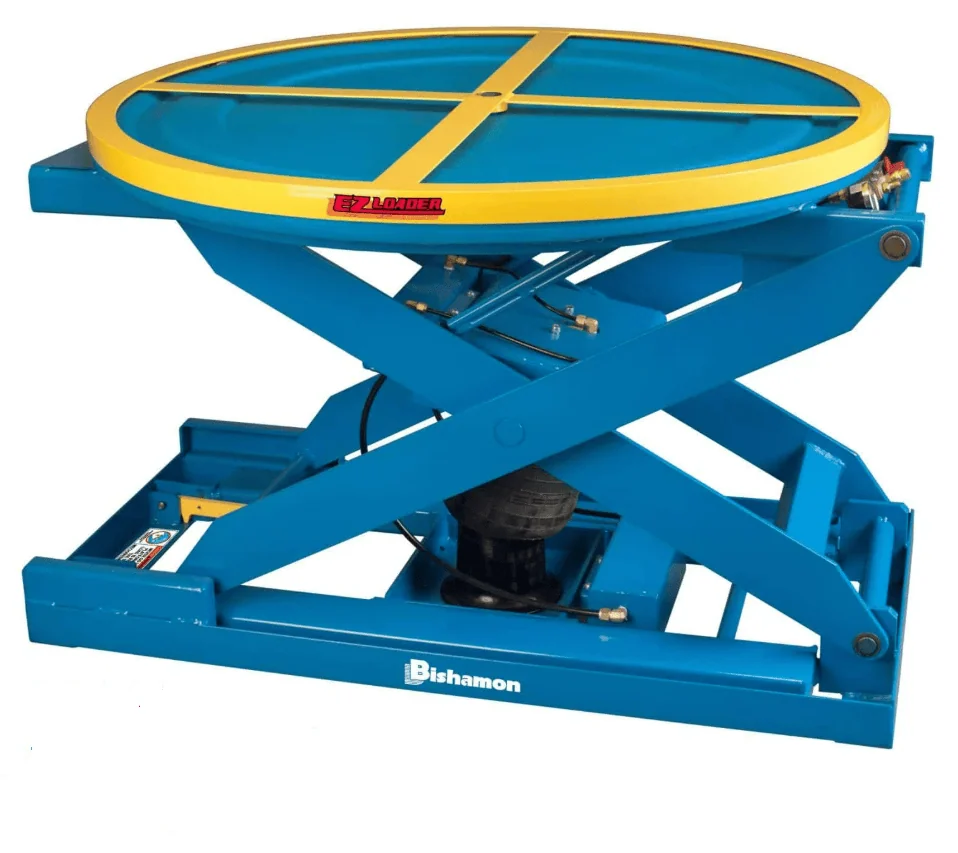
Pallet Positioners: Pallet positioners adjust pallet height, maintaining an optimal working level to minimize bending, lifting, and reaching. This ergonomic feature reduces worker strain and increases efficiency during loading and unloading tasks.
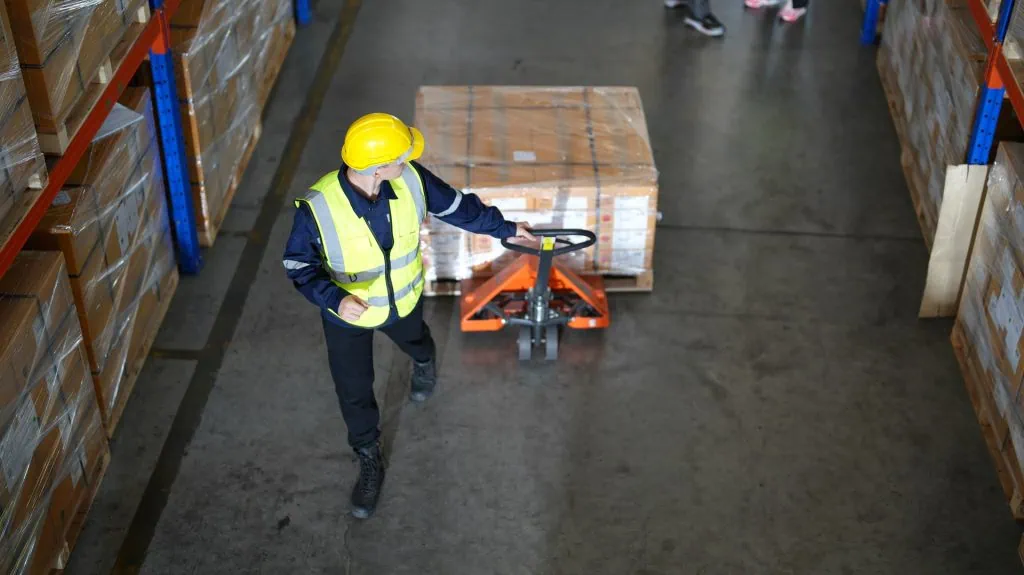
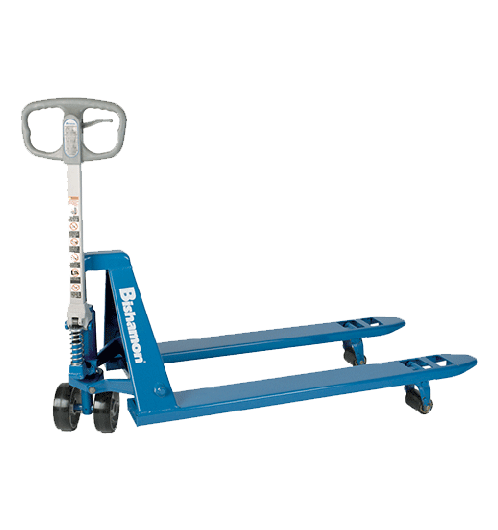
Pallet Jacks: Ideal for maneuvering pallets short distances, pallet jacks are available in manual or electric models and are used for pallets due to their two-deck structure.
Forklifts: Essential for moving both skids and pallets, forklifts offer versatility, handling heavy loads and stacking pallets efficiently.
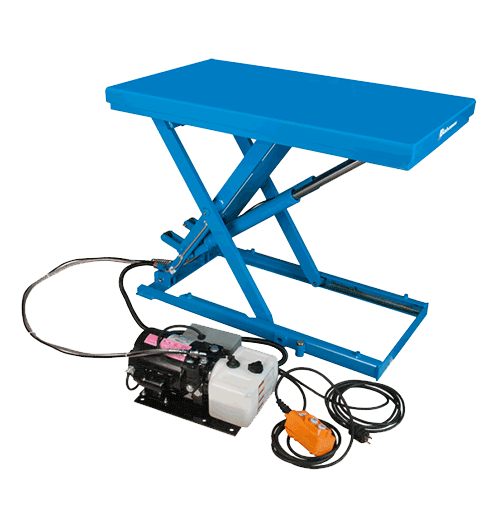
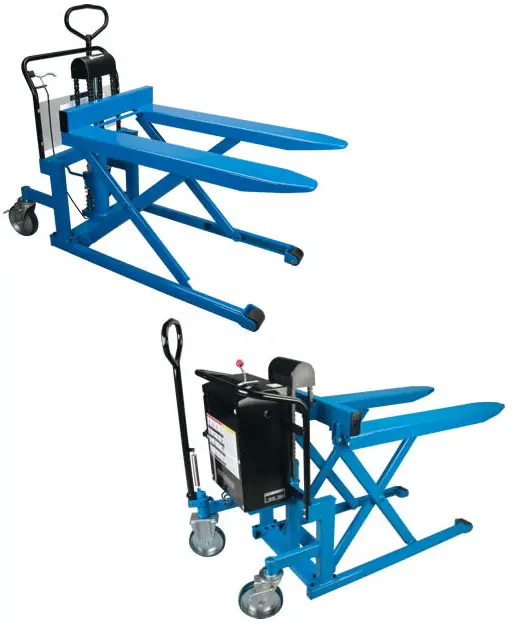
Skid Lifters: Designed specifically for skids, these lifters provide stability for lifting single-deck skids and allow for easy movement in tight spaces.
Conveyors: Conveyors streamline transport along production lines, moving both skids and pallets through automated systems for efficient loading, unloading, or assembly.
Stackers: Stackers are useful for lifting and stacking pallets in warehouses with limited height, offering an economical alternative to forklifts for lightweight materials.
What Are the Weight Limitations of Skids vs. Pallets?
Skids: Typically support lighter loads and are ideal for stationary storage, with weight capacities up to a few thousand pounds depending on construction.
Pallets: Designed for heavier loads and frequent handling, standard pallets usually hold 2,000 to 4,000 pounds, with high-capacity options supporting up to 5,000 pounds.
How to evaluate whether skids or pallets are right for your business
To evaluate whether skids or pallets are right for your business, consider the following:
Usage Requirements: Determine if you need a solution for shipping and frequent transport (pallets) or stationary storage and single-use applications (skids).
Weight and Stability Needs: Pallets offer greater stability and are better suited for heavy or fragile loads, while skids are lighter and work well for equipment bases or less demanding loads.
Budget Considerations: Skids are more cost-effective for short-term or disposable needs, while more durable and reusable pallets are a better investment for long-term or repeated use.
Space and Handling: Evaluate your warehouse and transport space. Pallets are easier to stack, maximizing vertical space, while skids take up less floor space.
Environmental Impact: If sustainability is a priority, pallets are reusable and recyclable, while skids use fewer materials, which may reduce environmental impact.
Environmental Impact of Skids and Pallets
Skids: Made with fewer materials, skids are more eco-friendly in terms of resource usage. They’re typically used for stationary storage or single-use applications, reducing waste but with a limited lifespan.
Pallets: Pallets are more sustainable in the long term due to their reusability and recyclability. Wooden and plastic pallets can be reused multiple times, lowering waste. Eco-friendly options, like recycled plastic, also contribute to green practices in logistics.
Comparison: Pallets are better for green supply chain management as they offer long-term value, whereas skids are more suited for temporary or low-volume needs. Competitors are increasingly offering eco-friendly pallets, further enhancing their sustainability.
Comparing Material Durability
Wooden Pallets: Prone to moisture and wear, they are less durable in harsh environments but cost-effective for indoor use.
Plastic Pallets: Highly durable, resistant to moisture and temperature changes, ideal for long-term use.
Metal Pallets: Strong but expensive, best for heavy-duty applications.
Skids: Made from wood, plastic, or metal, skids are generally less durable than pallets, especially in outdoor or rugged conditions.
Long-Term Benefits of Investing in Pallets
Durability: Pallets last longer, reducing the need for frequent replacements, making them a better long-term investment.
Cost Efficiency: Pallets reduce handling and shipping costs due to their stackable design and ease of transport, offering better ROI than skids, which are less versatile.
Sustainability: Pallets are more environmentally friendly, with a longer lifespan and recyclability, compared to the more disposable nature of skids.
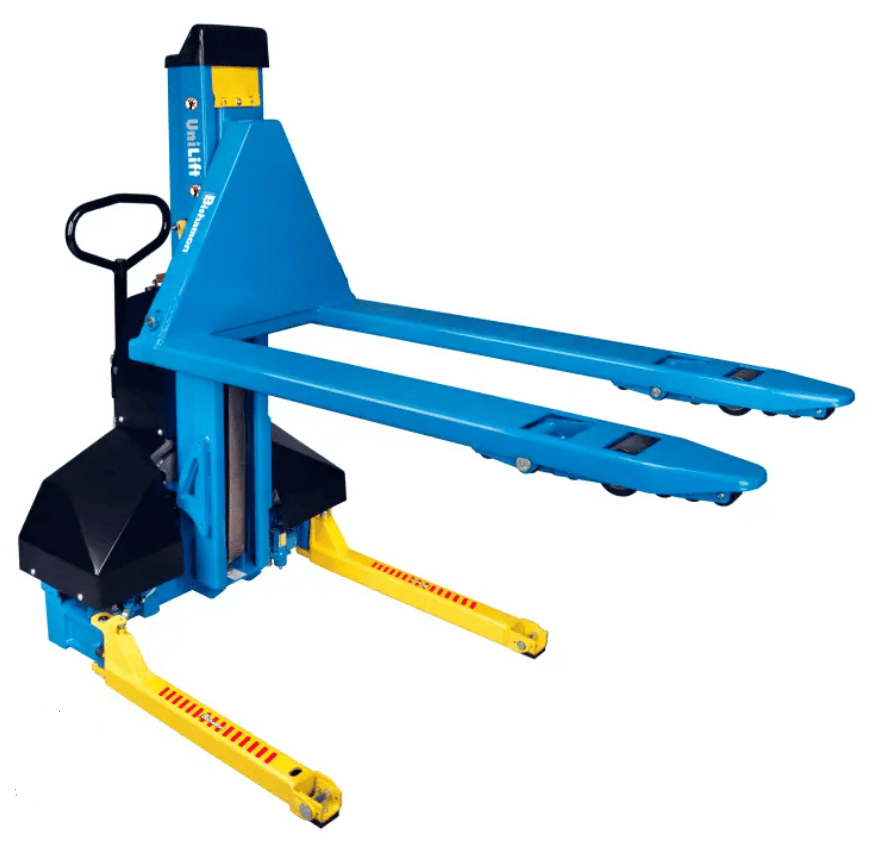
Bishamon offers lifting solutions designed to accommodate both skids and pallets. Our Bishamon sturdy fork-style lifts including the Skid Lift LV and LVE Series, increase productivity and reduce worker injuries. For open-bottom pallets and skids, these lifts offer stability and easy mobility. The UniLift by Bishamon is a multipurpose pallet handler that can lift and move regular pallets without straddling them due to its detachable outriggers. With its dual-purpose design, it provides dependable load lifting and effective transportation.